Articles
Mostly about building products, healthcare tech, and lessons learned along the way.
Loading articles
Mostly about building products, healthcare tech, and lessons learned along the way.
Older posts from the archive.
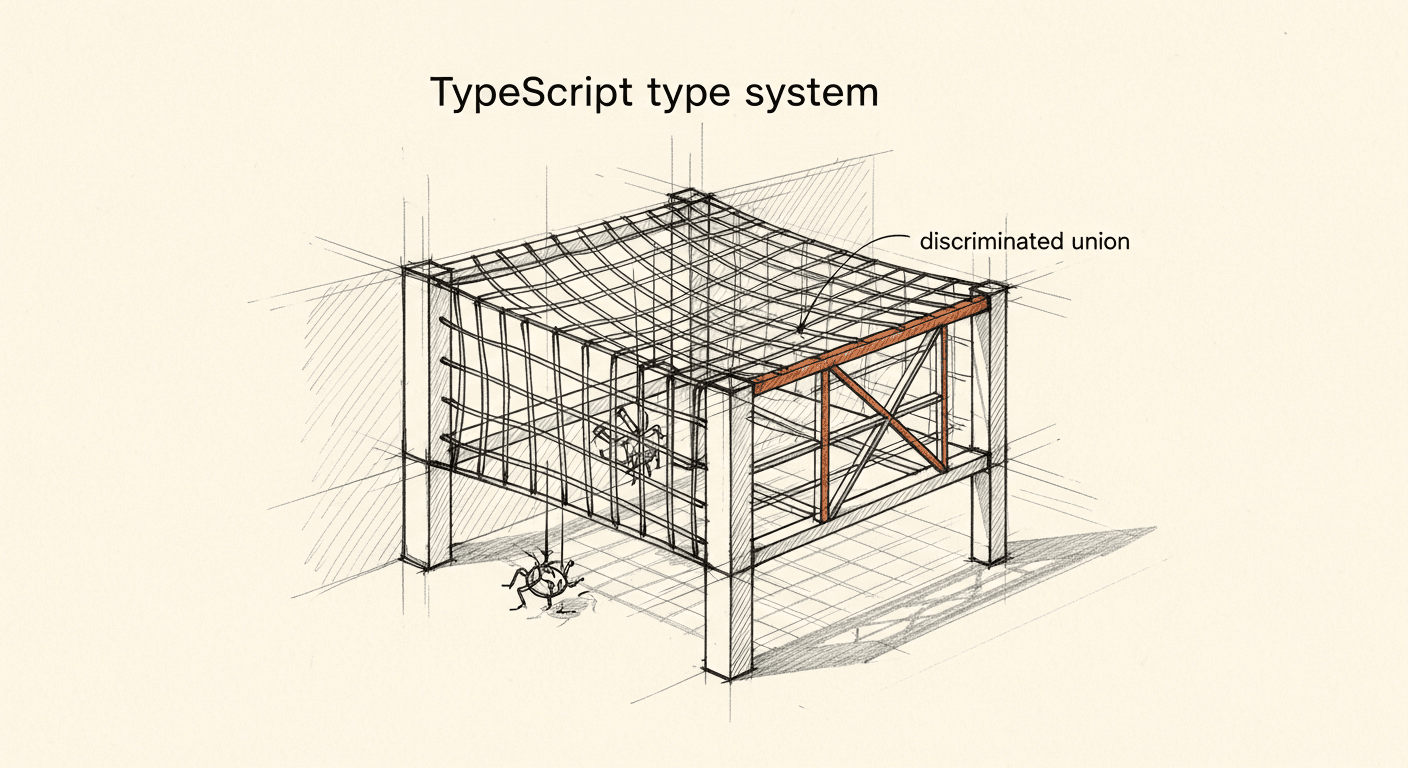
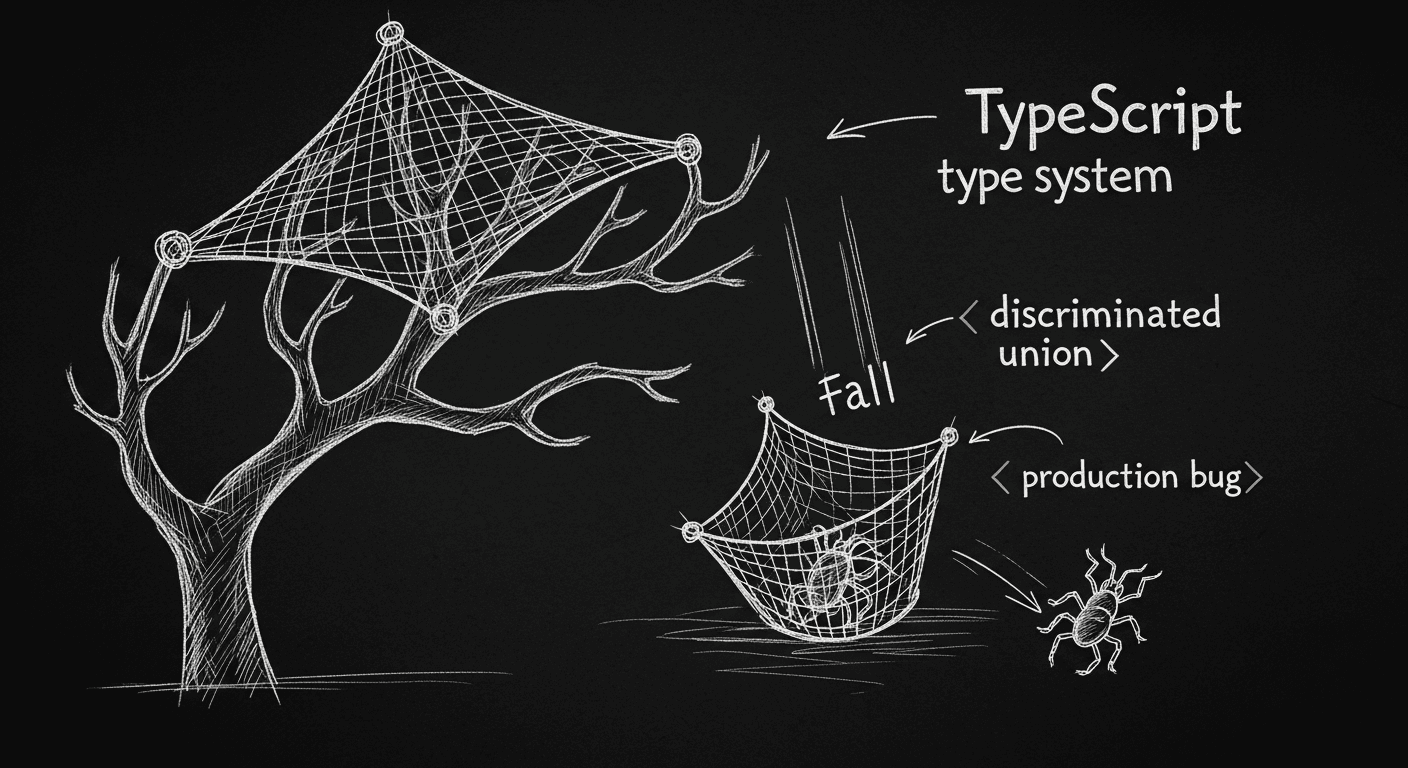
Optional props feel flexible until they ship a runtime error to production that TypeScript should have caught at compile time. The pattern that prevents it.
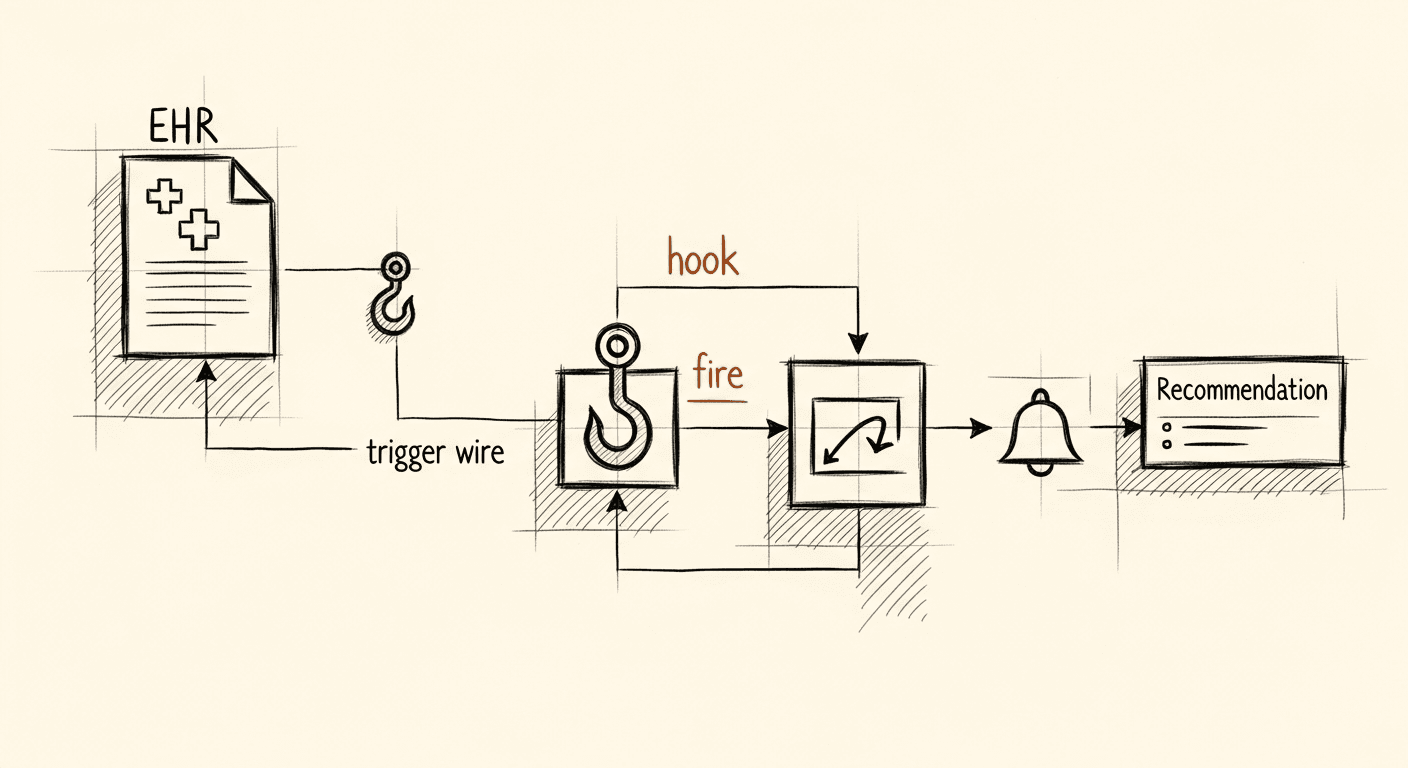
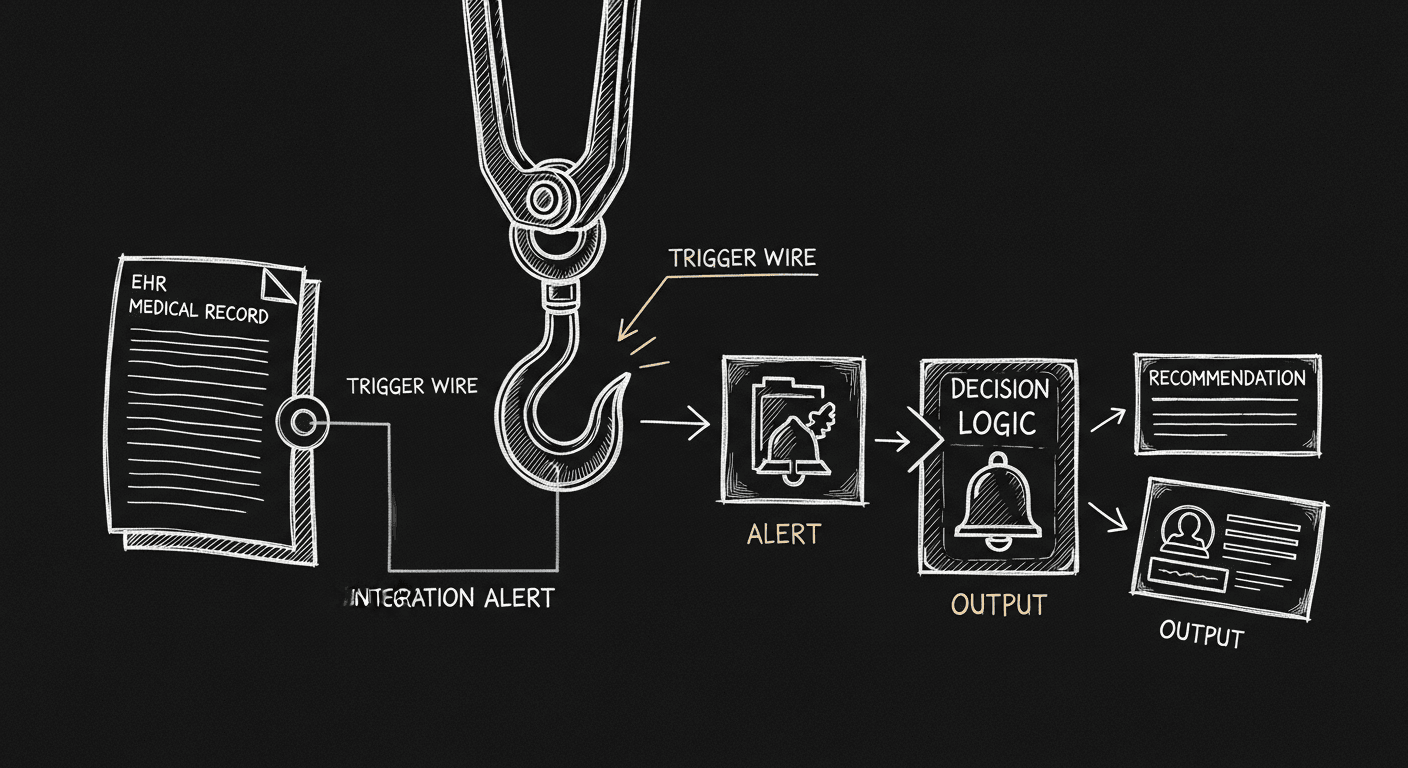
CDS Hooks look straightforward until you try to get them working in Epic. Six months of integration reality the documentation glosses over.
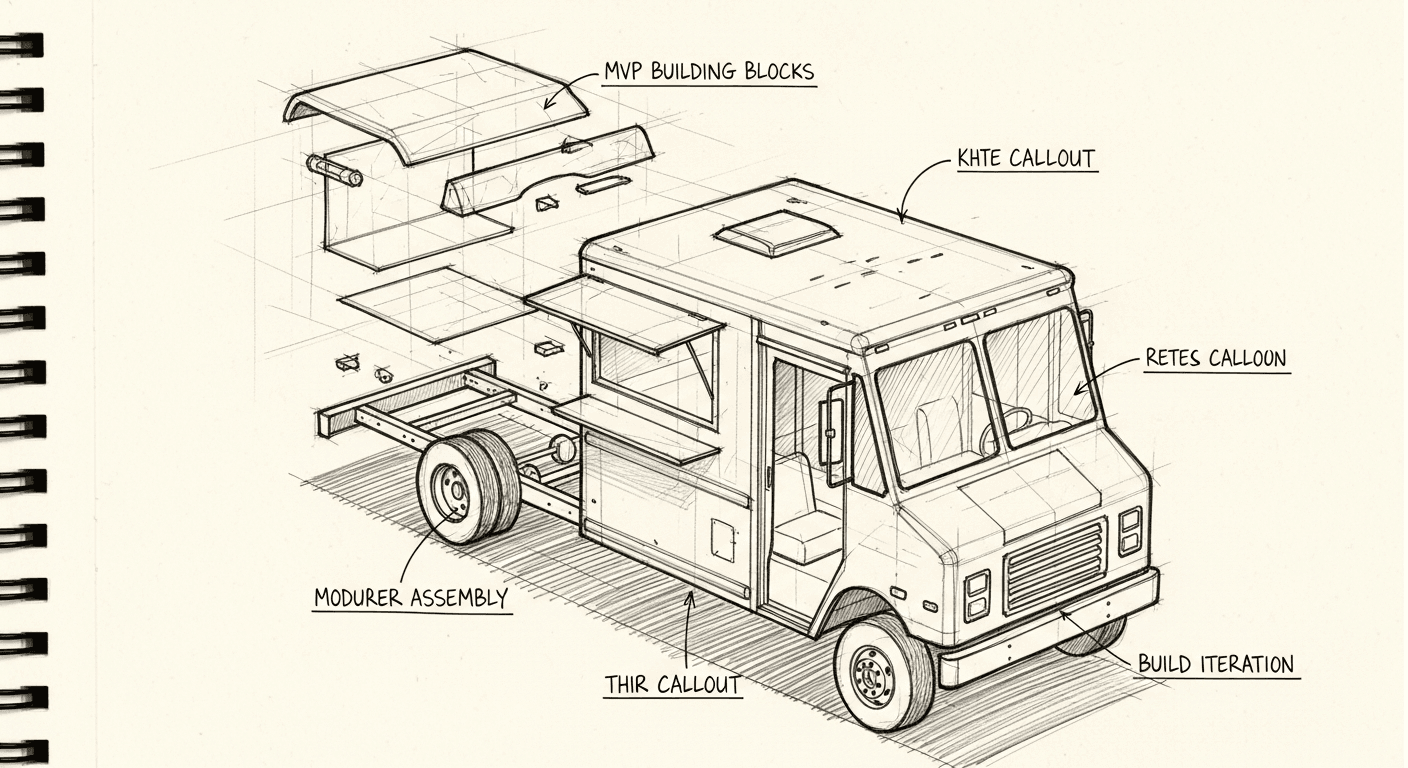
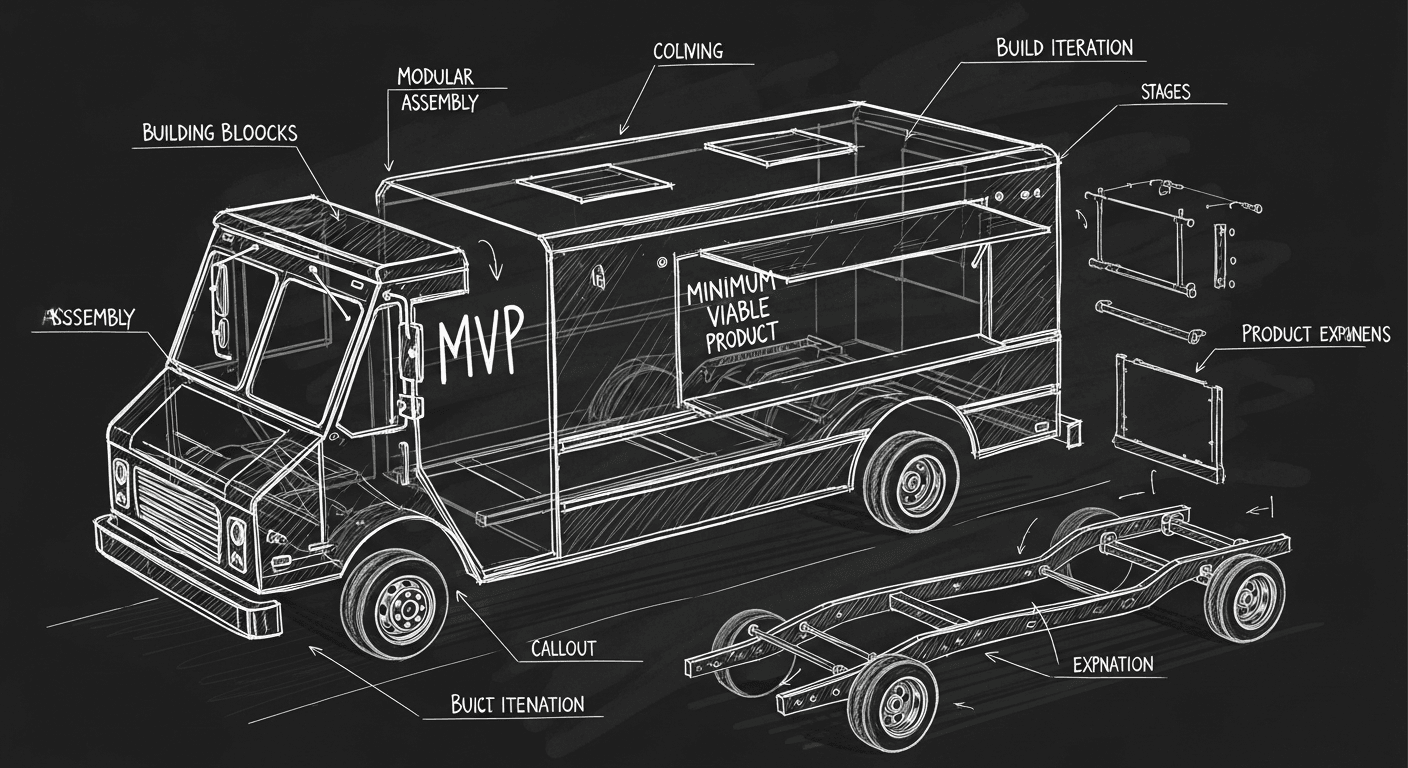
Most MVPs turn into dumpster fires not because teams move too fast, but because they move fast in the wrong direction. The food truck method for building without the regret.
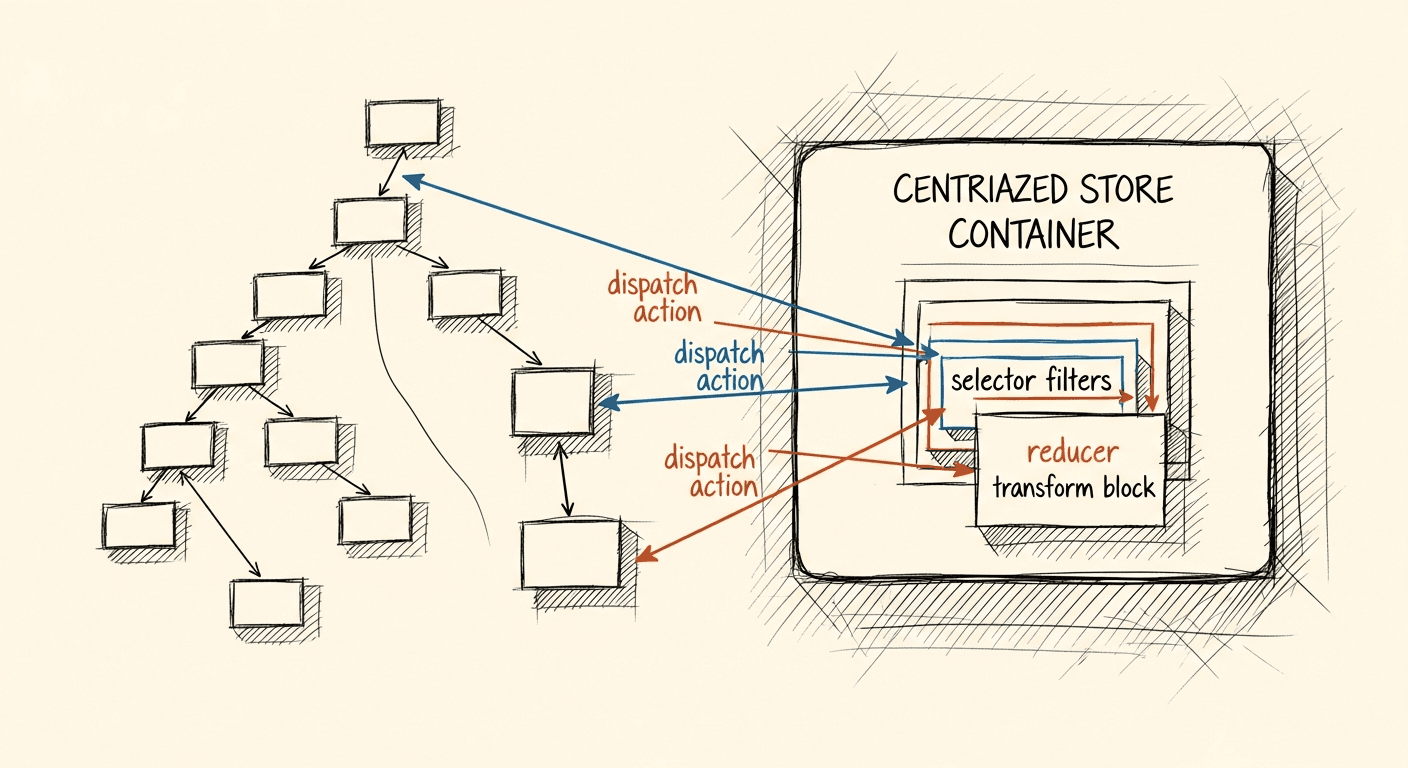
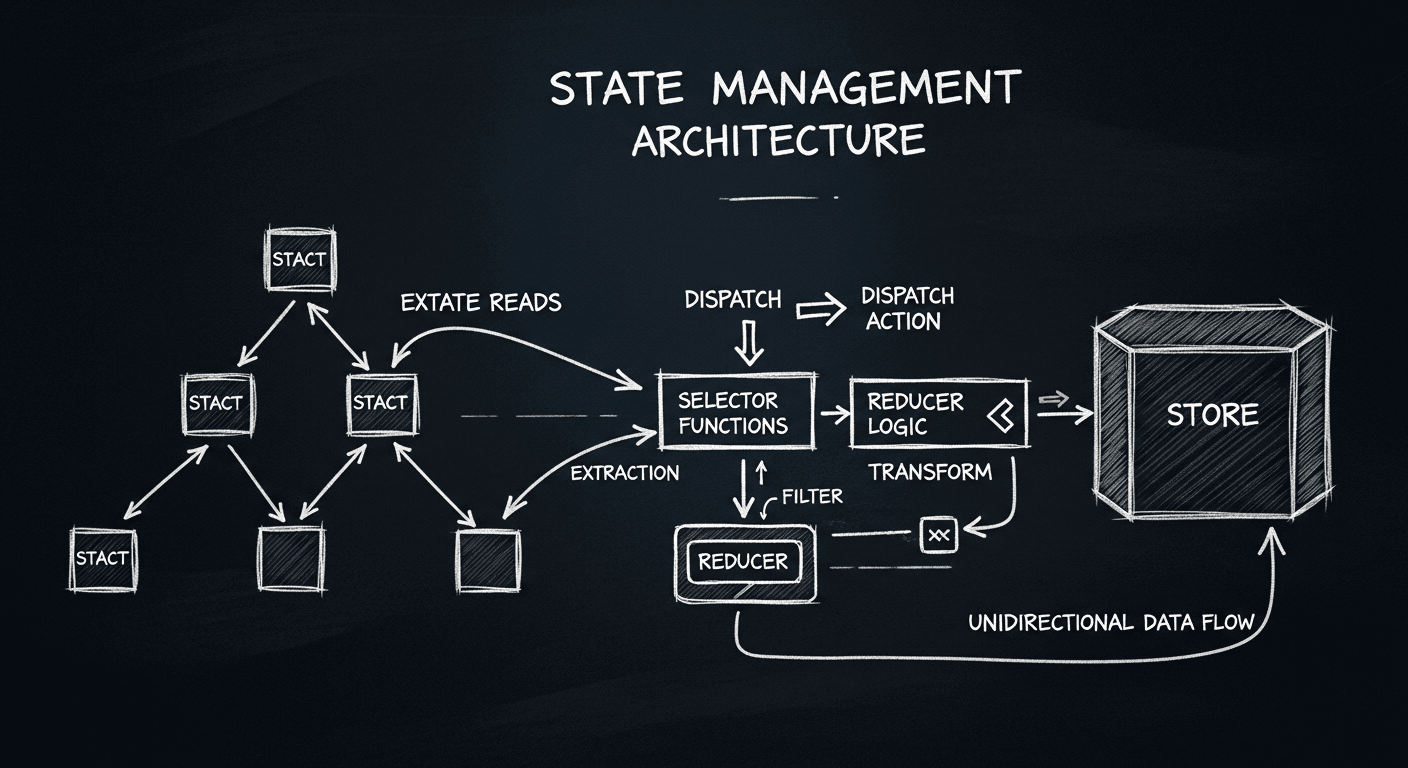
Redux, Zustand, Recoil, Context API. Most React apps use the wrong one for the wrong reasons. What each tool is for, when SSR changes the calculus, and how to pick without a fight.
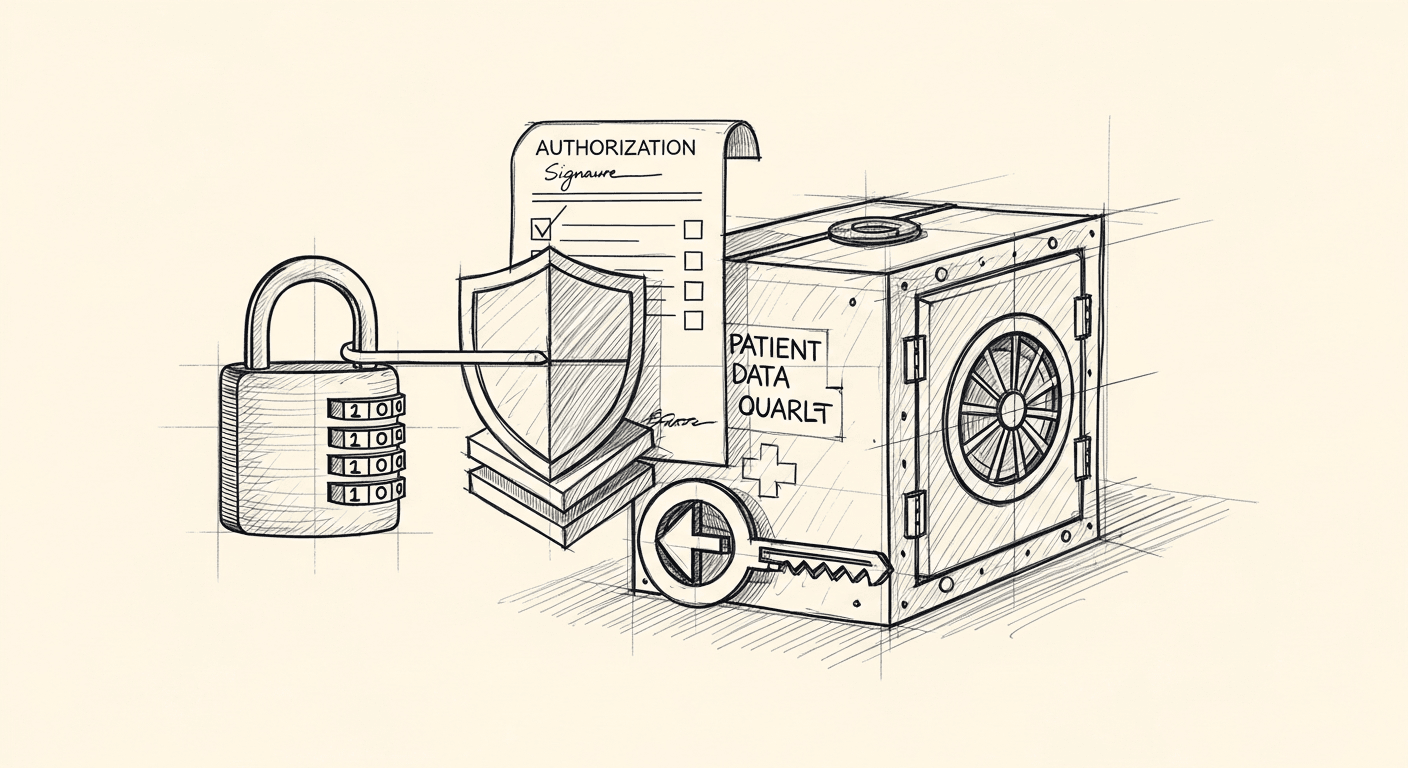
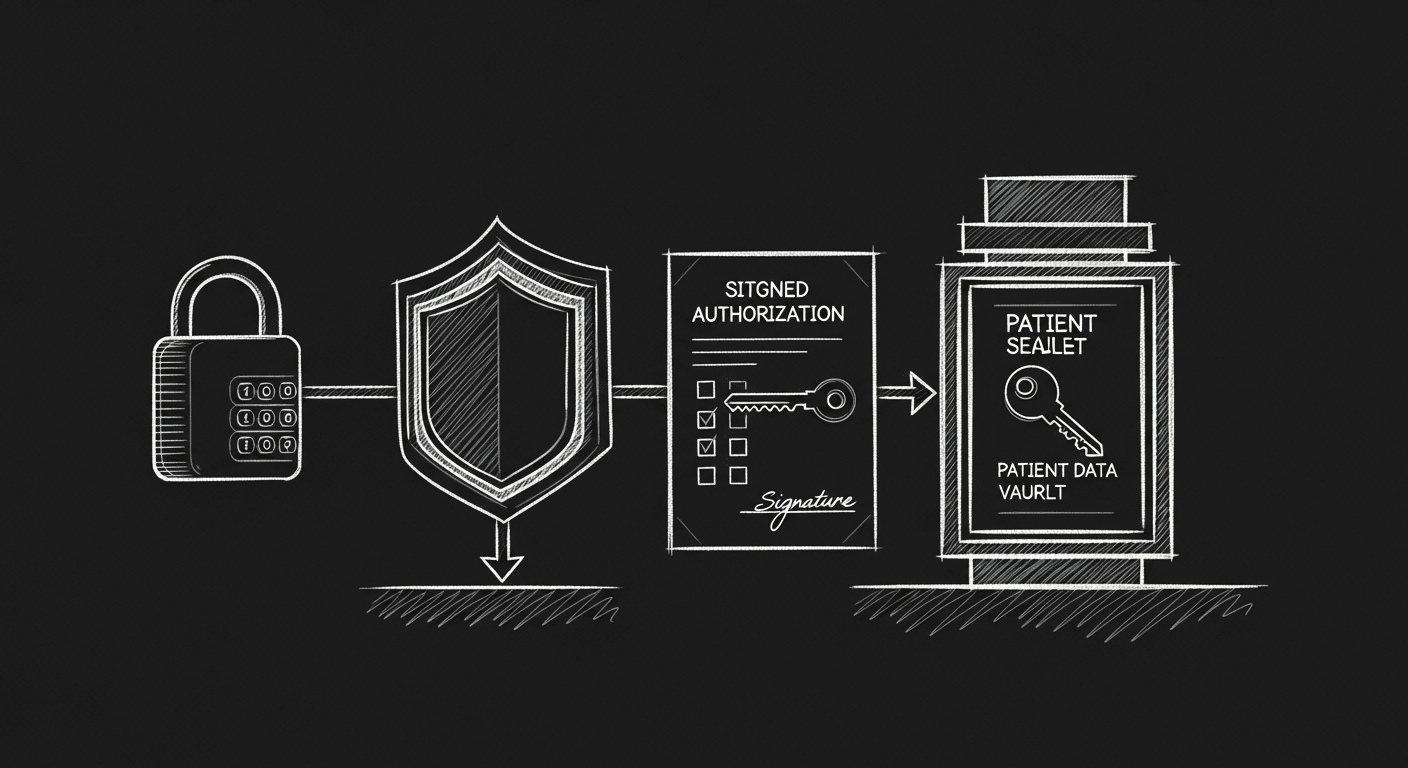
HIPAA documentation runs to thousands of pages. What engineers building healthcare apps need to know, and what's compliance theater.
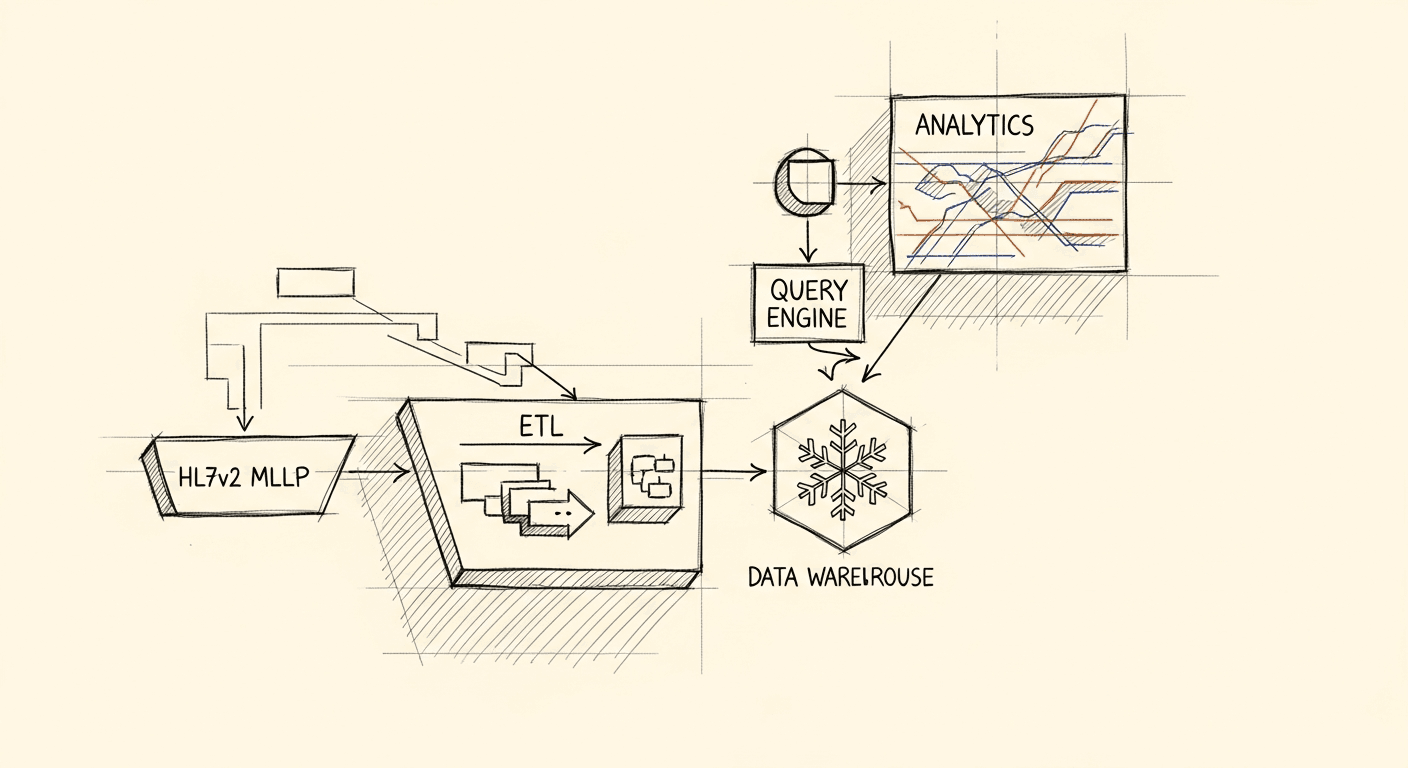
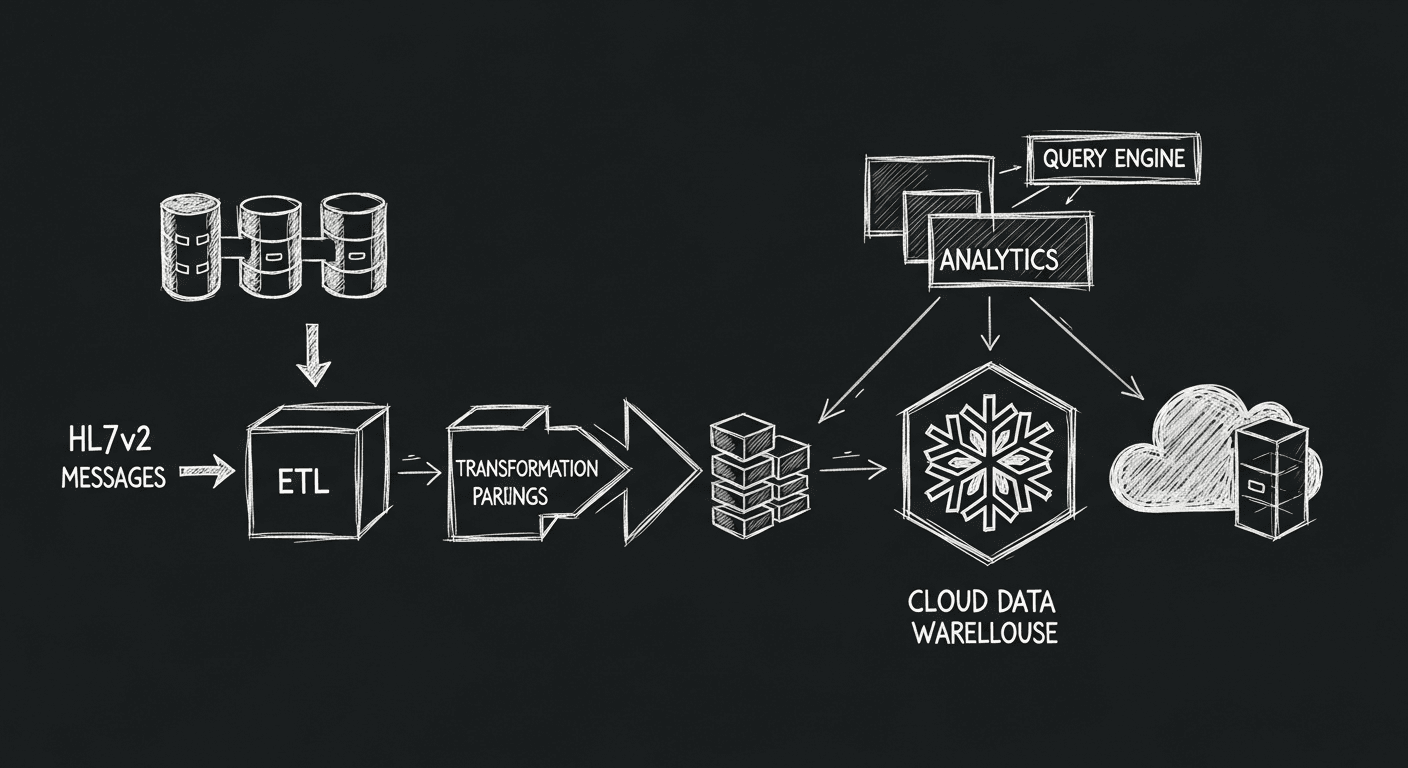
Snowflake's flexible compute model makes it interesting for healthcare data warehousing. A walkthrough for ingesting HL7v2 messages into Snowflake: schemas, parsing, and getting clinical data into a structure you can query.
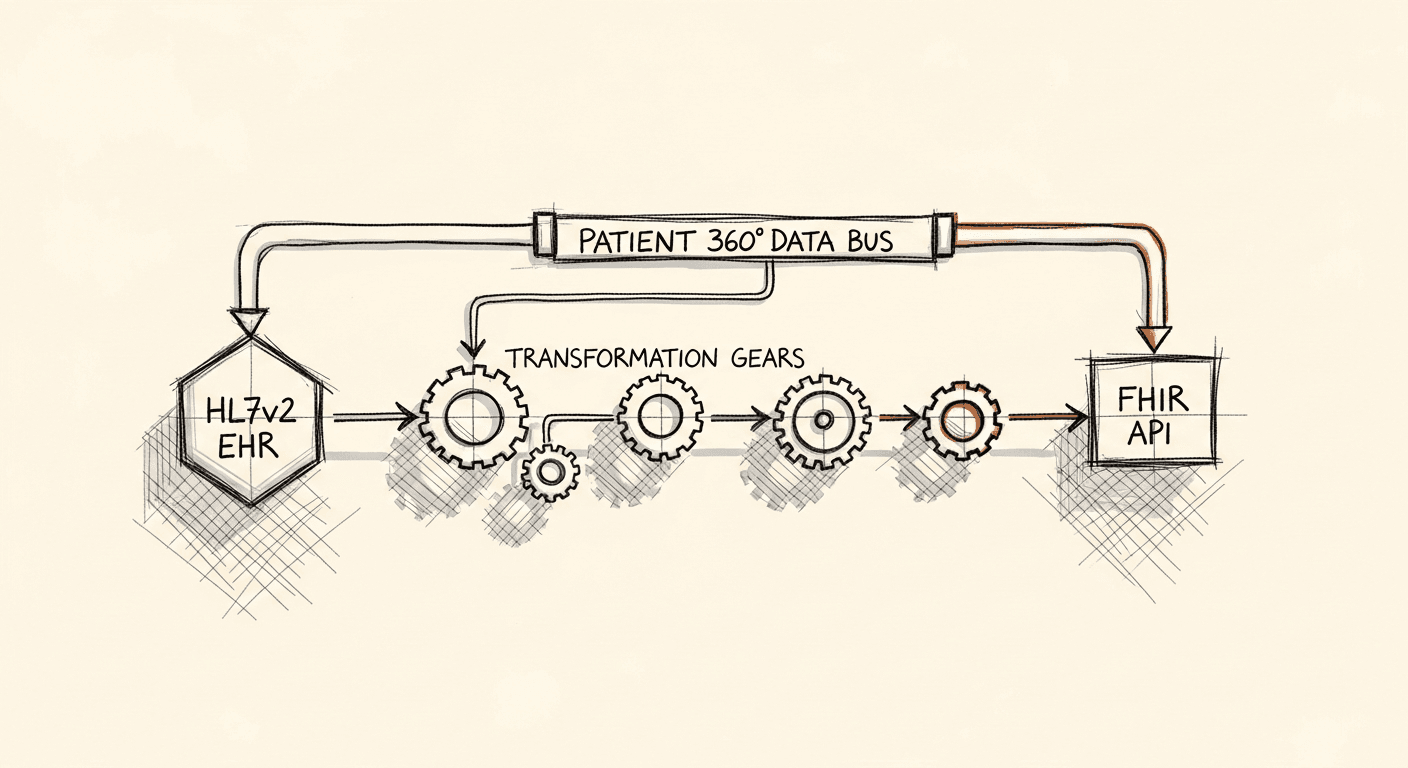
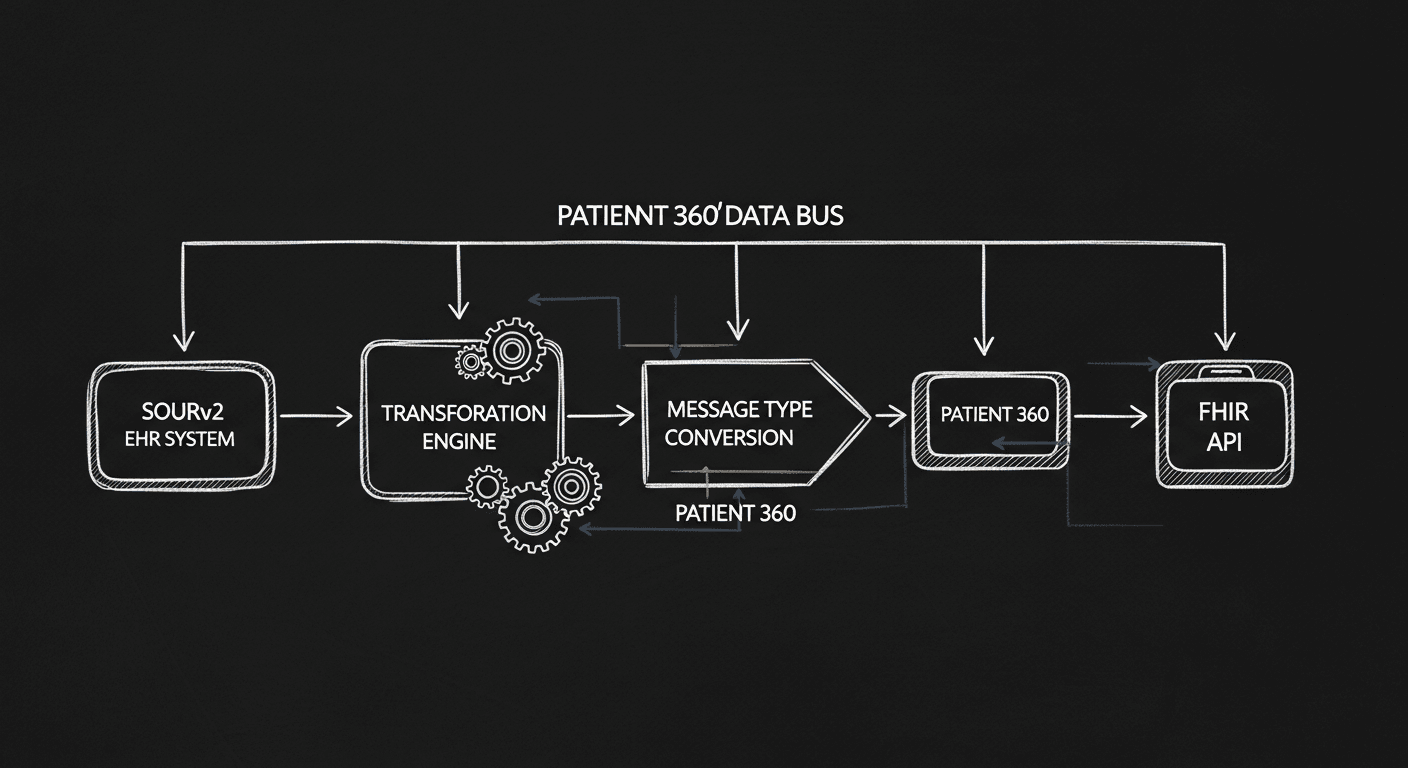
The MuleSoft Accelerator promises a unified patient view across EHRs using FHIR and HL7v2 integrations. What that looks like in practice, where it delivers, and where you'll spend your consulting budget.
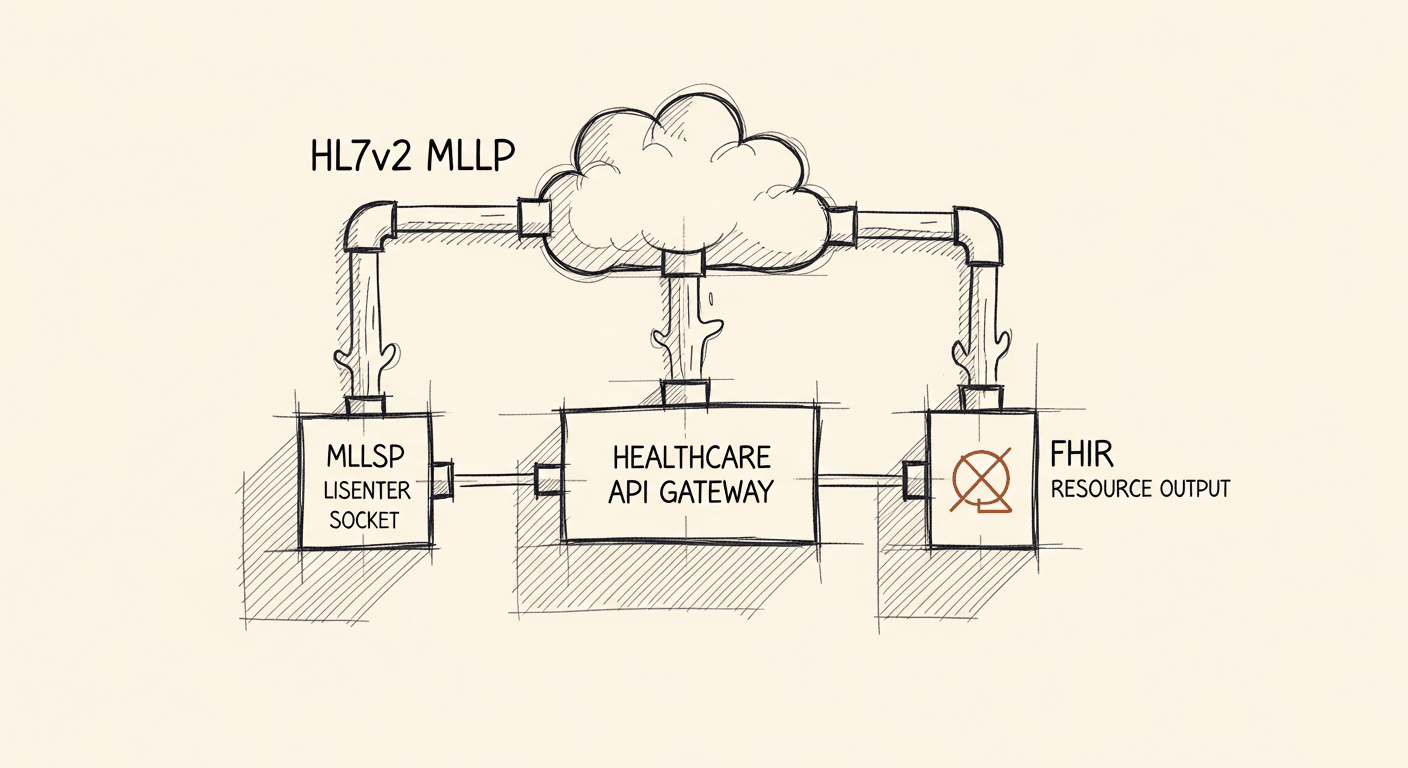
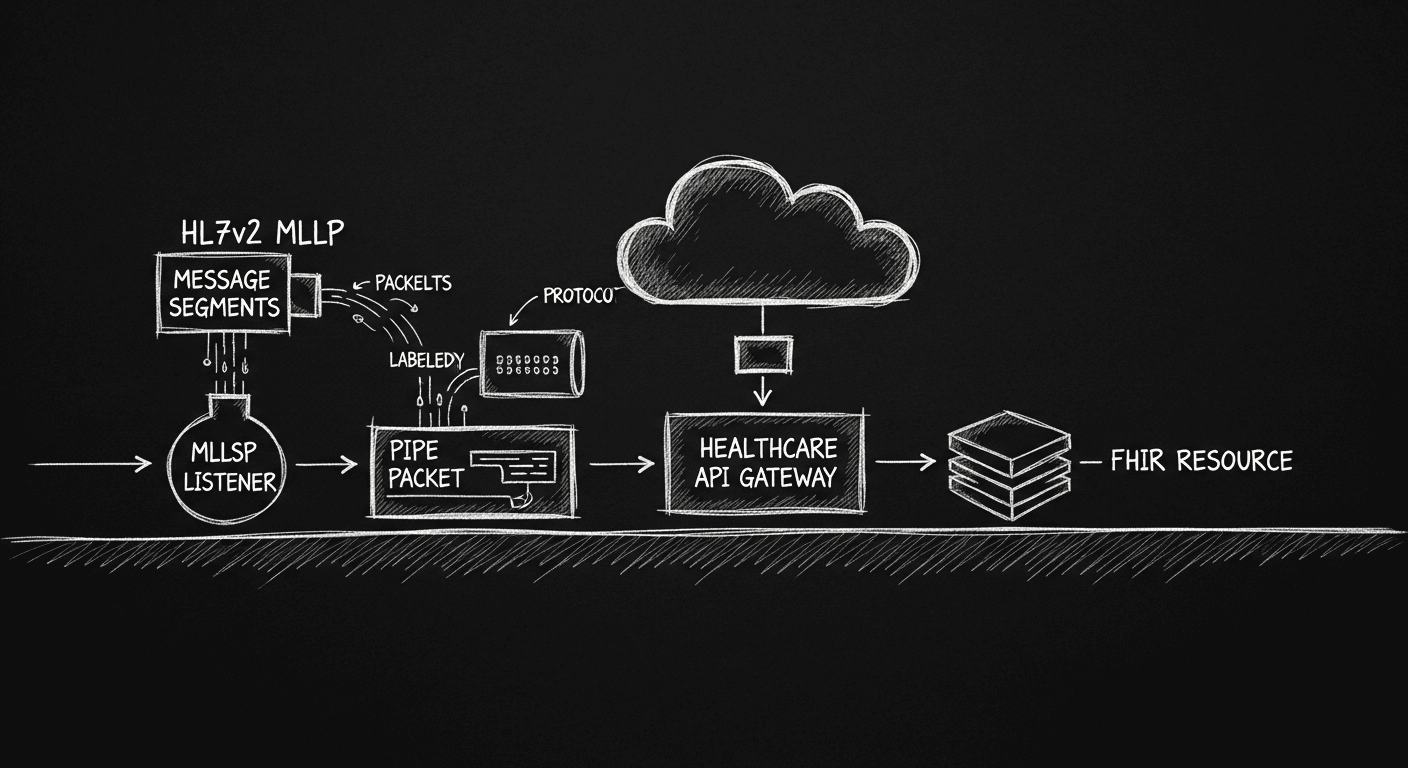
HL7v2 arrives over MLLP. Google Cloud Healthcare API converts it to FHIR. A complete walkthrough for capturing healthcare messages in Google Cloud, from DICOM stores to Pub/Sub triggers.
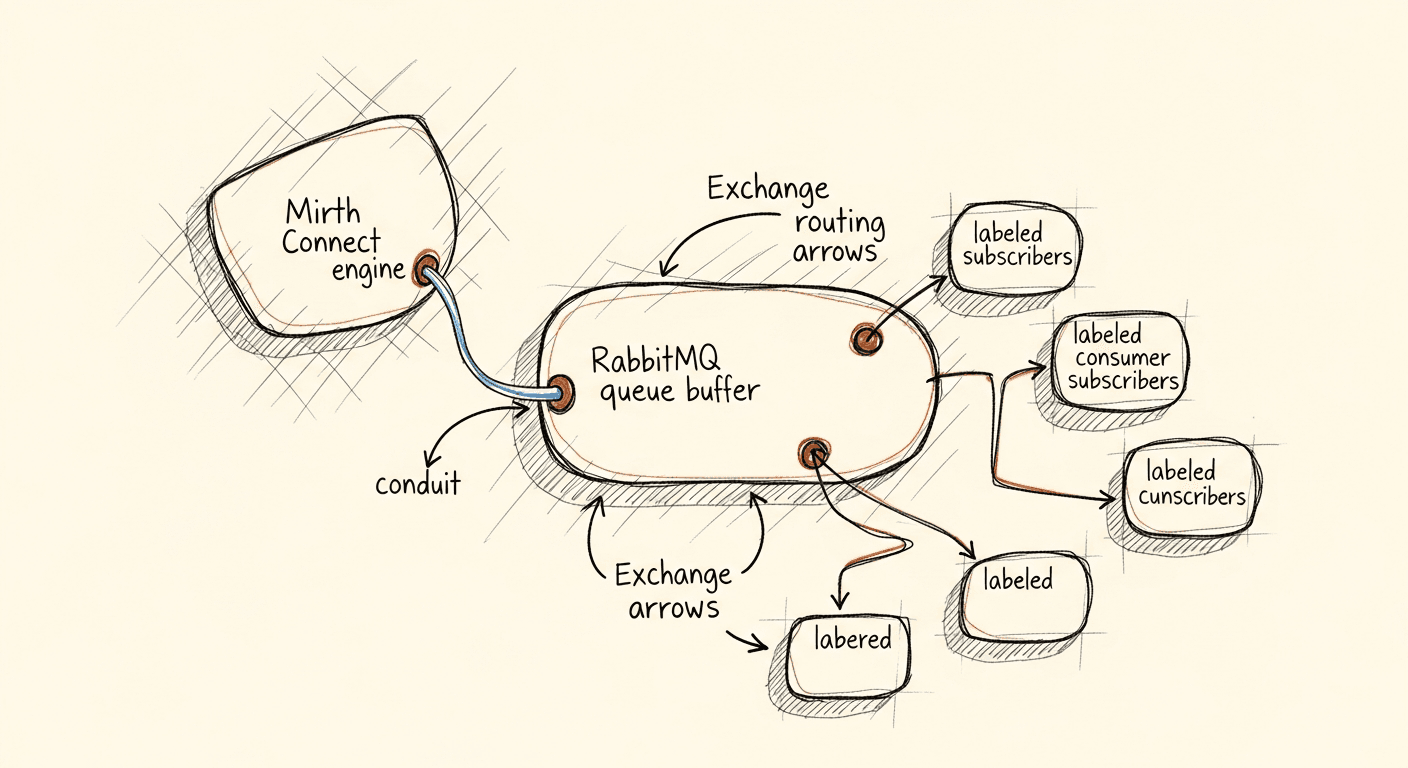
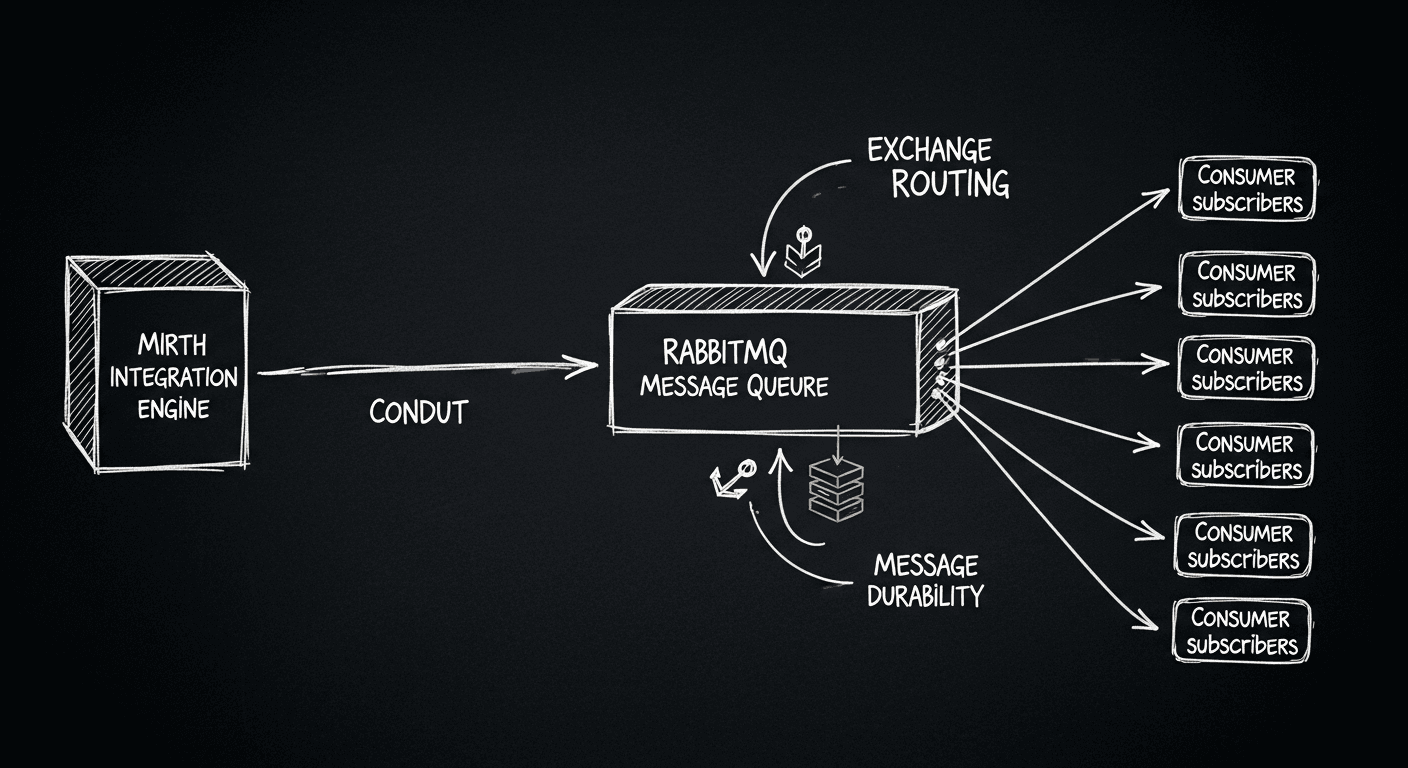
Mirth Connect handles the transform. RabbitMQ handles the delivery. Together they make healthcare integrations durable and survivable when downstream systems go down. How to wire them up.