Mostly about building products, healthcare tech, and lessons learned along the way.
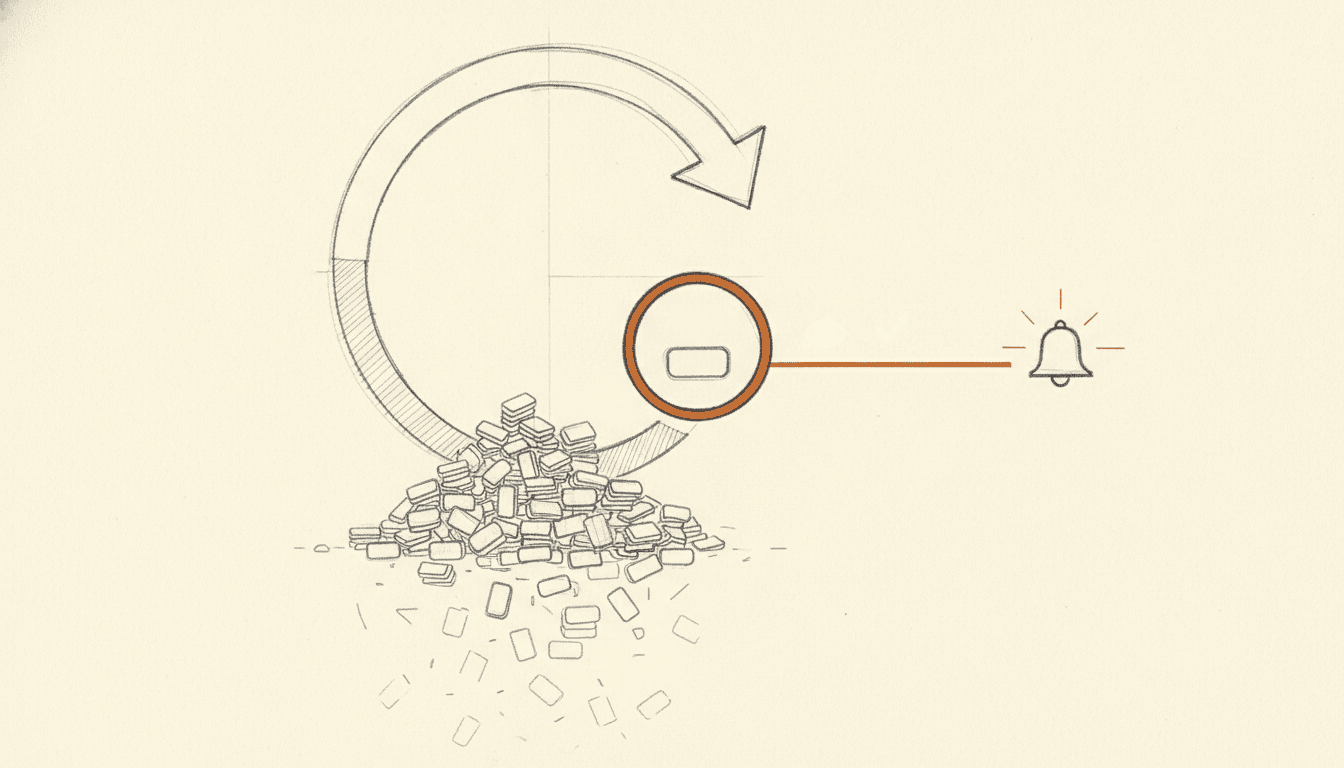
Everyone keeps announcing the death of prompt engineering. They are describing the symptom, not the shift. The loops you used to run by hand — refine, retry, verify, learn — moved out of your head and into infrastructure. Four of them, simultaneously.
Palantir built a company on the idea that software alone is not enough — you need engineers embedded with customers. That model has a name, a cost, and a hidden technical debt time bomb that most B2B companies are quietly sitting on.
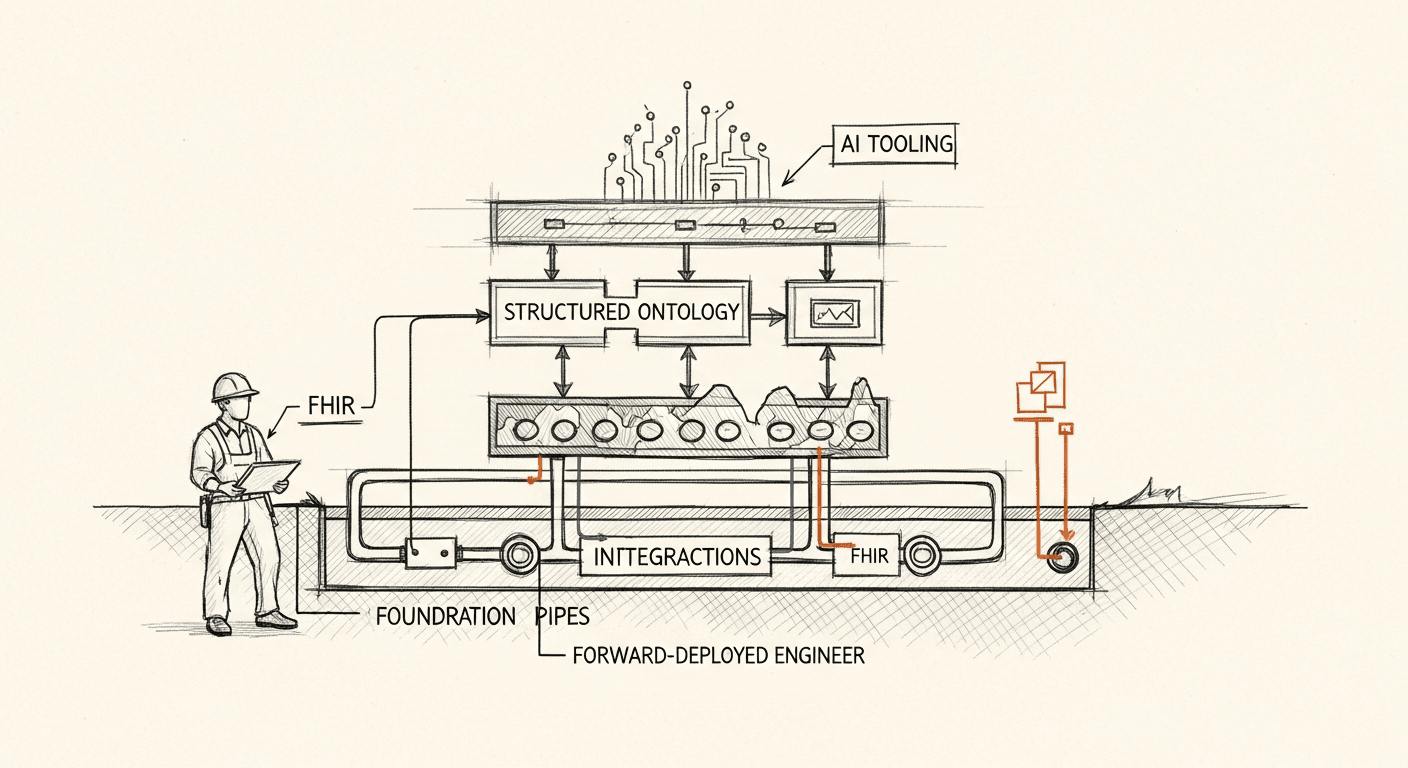
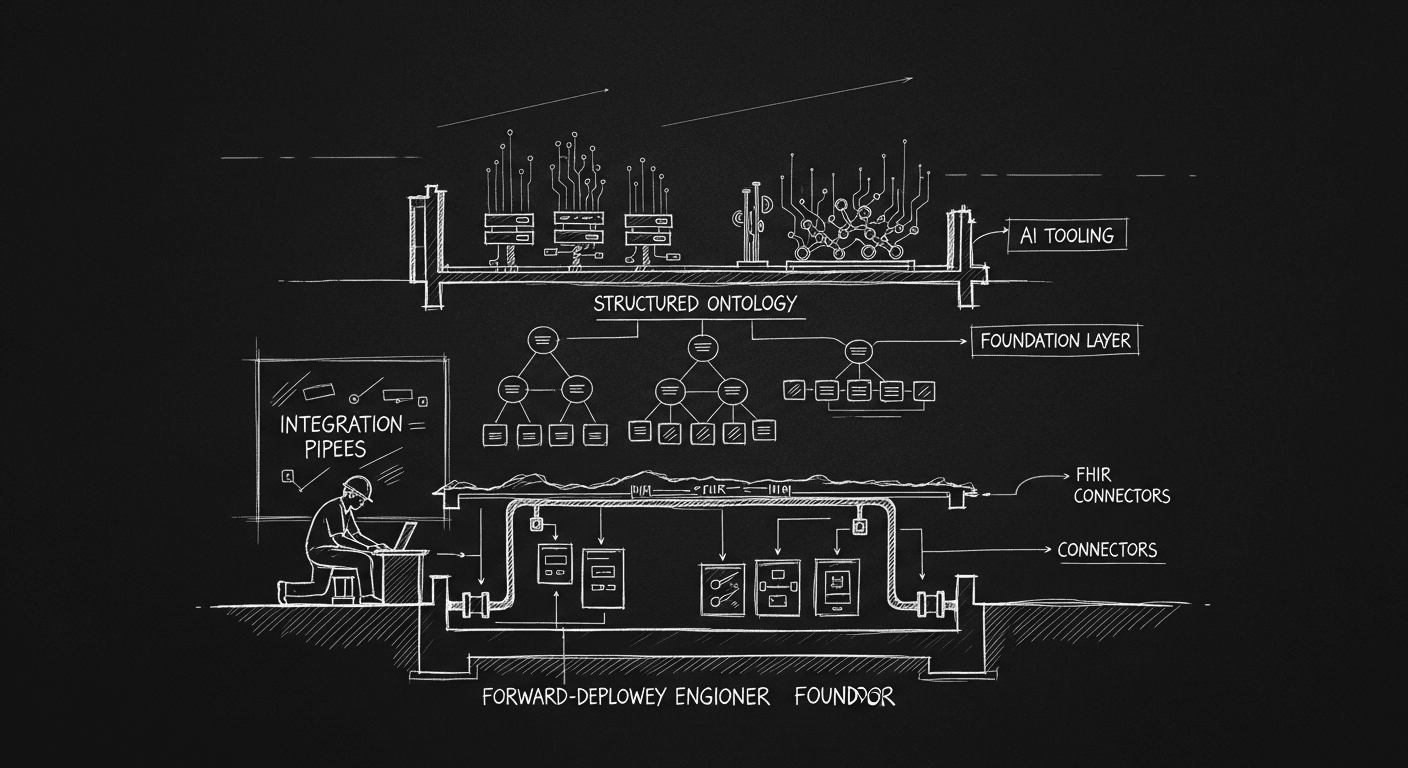
Most healthcare AI companies are failing for the same reason. The ones winning are all running the same playbook — one that Palantir figured out long before anyone called it AI. Forward-deployed engineer. Ontology. Integrations. Then AI tooling, and only then.
I built a tool that turns GitHub issues into pull requests using a three-agent pipeline. That's the boring part. The interesting part is what happens when you stop thinking about AI agents as productivity tools and start thinking about them as a workforce — and you build a world for them to live in.
Mirth democratized healthcare integration. Then NextGen acquired it, and the world moved on. After 12 years of building on top of it, here's what the next generation of integration tooling looks like — and why it was inevitable.
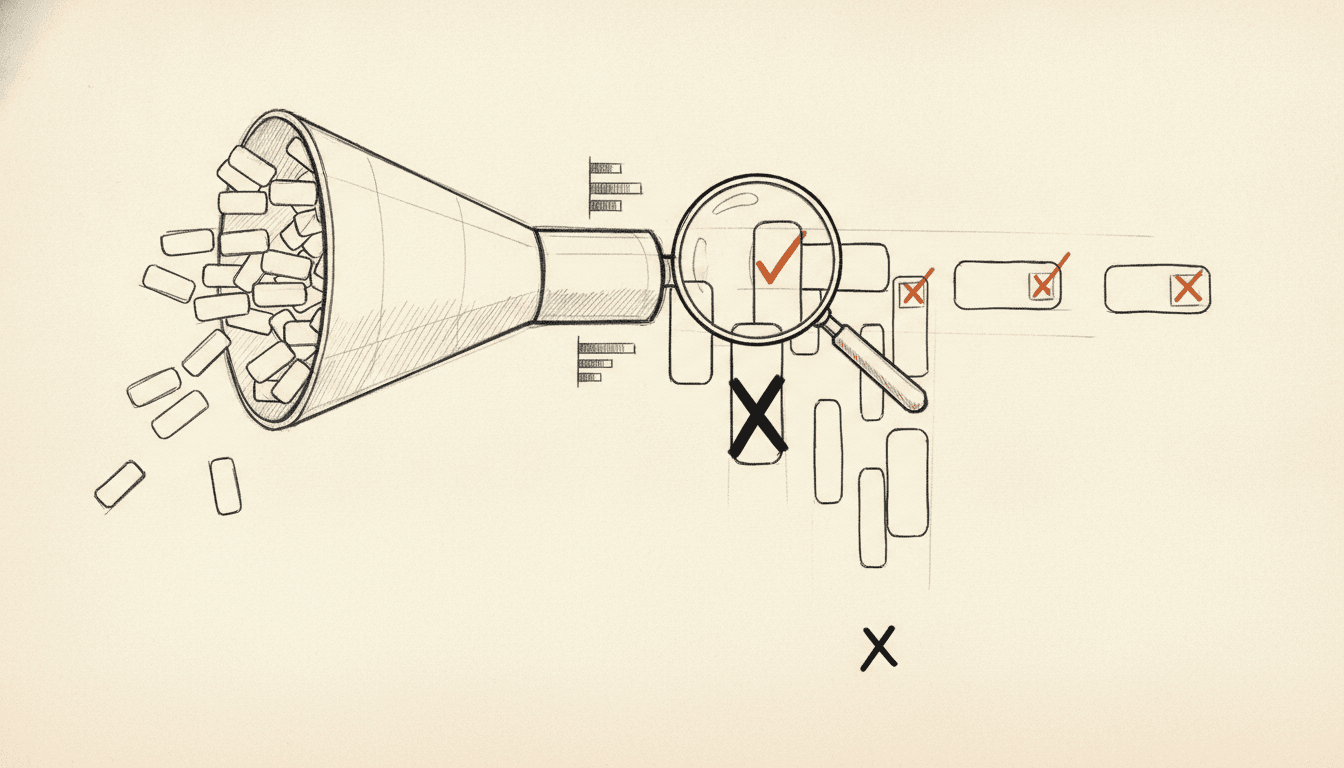
Most teams skip evals because the process feels overwhelming. Here is the three-step framework that makes eval-driven development achievable: label a small dataset, calibrate an LLM evaluator to human judgment, then iterate configs against the harness. No excuses left.