The Food Truck Method: Building MVPs That Don't Suck
I've built over 20 MVPs. Most of them sucked.
Not because they didn't work. They worked fine. They sucked because three months later, we'd hit a wall. Adding features became a nightmare. The code was held together with duct tape and prayers. Engineers quit.
Then I figured out the food truck thing.
Think of your MVP like a food truck, not a restaurant
Everyone talks about "technical debt" like it's inevitable. It's not. You just need to stop building restaurants when you should be building food trucks.
Why Food Trucks Win
A restaurant needs permits, construction, inspections. Takes months. Costs millions.
A food truck? Park it and start cooking.
Your MVP is the same. Every startup thinks they're building Uber when they should be building a guy with a Honda Civic.
Every part has a purpose
Here's what actually matters in a food truck (and your MVP):
- Menu - What you're selling (product strategy)
- Grill - How you make it (core features)
- Engine - What keeps it running (infrastructure)
- Keys - Who can drive it (security)
- Frame - What holds it together (architecture)
The Menu (Stop Using Jira For Everything)
Your first mistake: spending weeks in Jira organizing tickets nobody will read.
Write docs like you're explaining it to your mom
Here's what actually works:
- Write a simple doc explaining what you're building
- Deploy it with your code so everyone can find it
- Update it when things change (they will)
I use Docusaurus because it deploys with my code. One repo, one source of truth. Marketing can read it, investors can read it, new engineers can read it.
No more "where's that spec?" Slack messages at 11pm.
The Boring Stuff That Breaks Everything
Get this wrong and you're screwed in 3 months
Keys (Authentication)
Don't build auth. Just don't.
I wasted 6 months building custom auth once. You know what happened? Security breach. Not because I'm dumb (debatable), but because auth is hard and I'm not smarter than the entire Auth0 team.
Related Articles
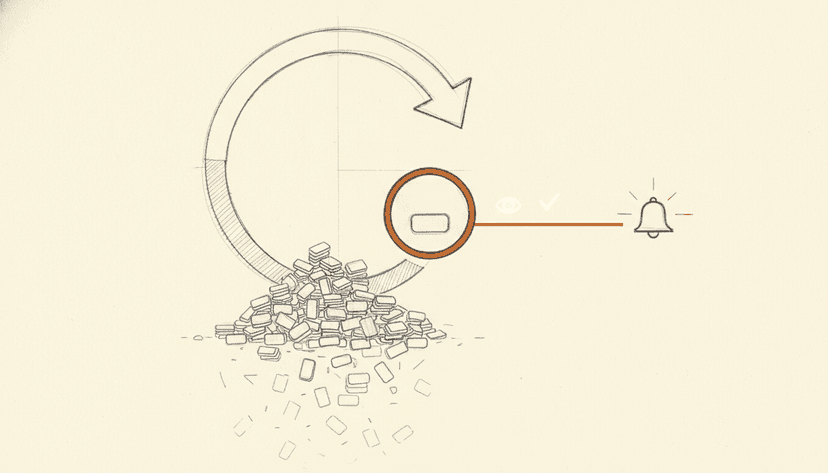
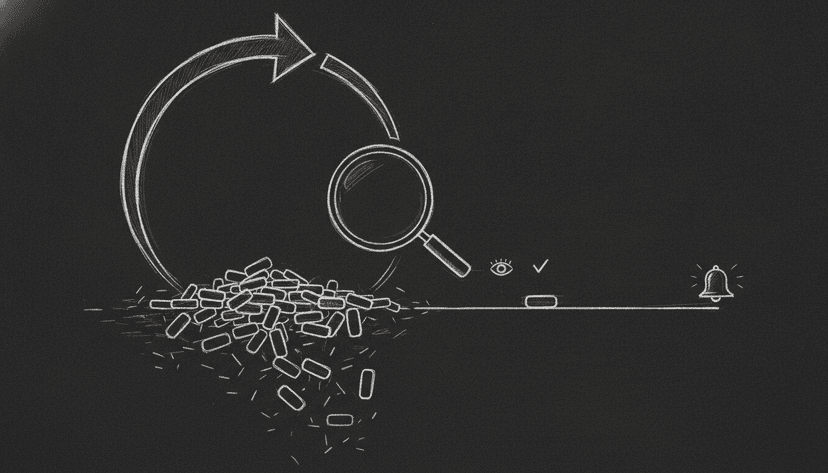
Your Support Team Is Claude Code on a Timer
An L2 support engineer that's just Claude Code on a /loop, with all its state living in Slack reactions. No app, no database, no deploy — and it only pings you when it's real.
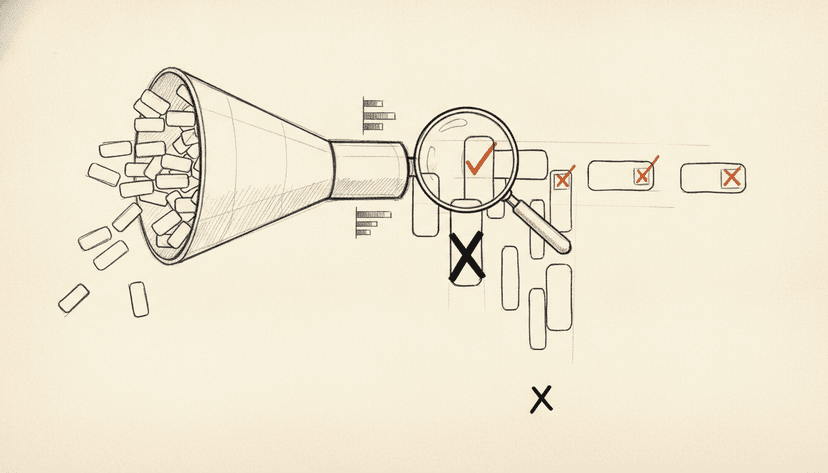
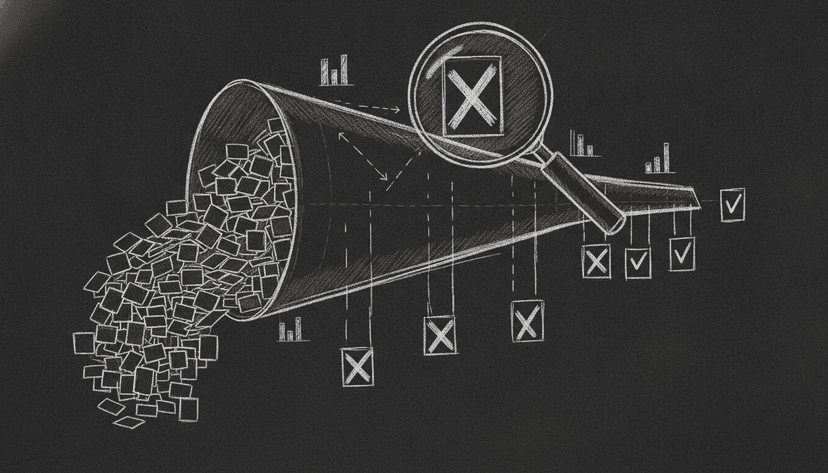
What an AI Audit Actually Finds
Most teams asking for AI don't have a model problem. They have a "which problem is even worth it" problem. Here's what a real AI audit surfaces — and why "don't build this" is often the most valuable line in the report.
Inside a Production Voice Agent: How the Stack Actually Ships
Production voice-AI has converged on a pattern: graph-based conversations, separated decision and response prompts, synthetic-call regression testing, and per-component latency budgets. Why the stack looks the way it does — and what most teams are still missing.
Building something like this?
I help teams ship AI in production — audits, consulting, custom agents, and eval systems. Start with an AI Audit (from $5k) for an honest read on what to build.