Healthcare Integration For Beginners: HL7v2
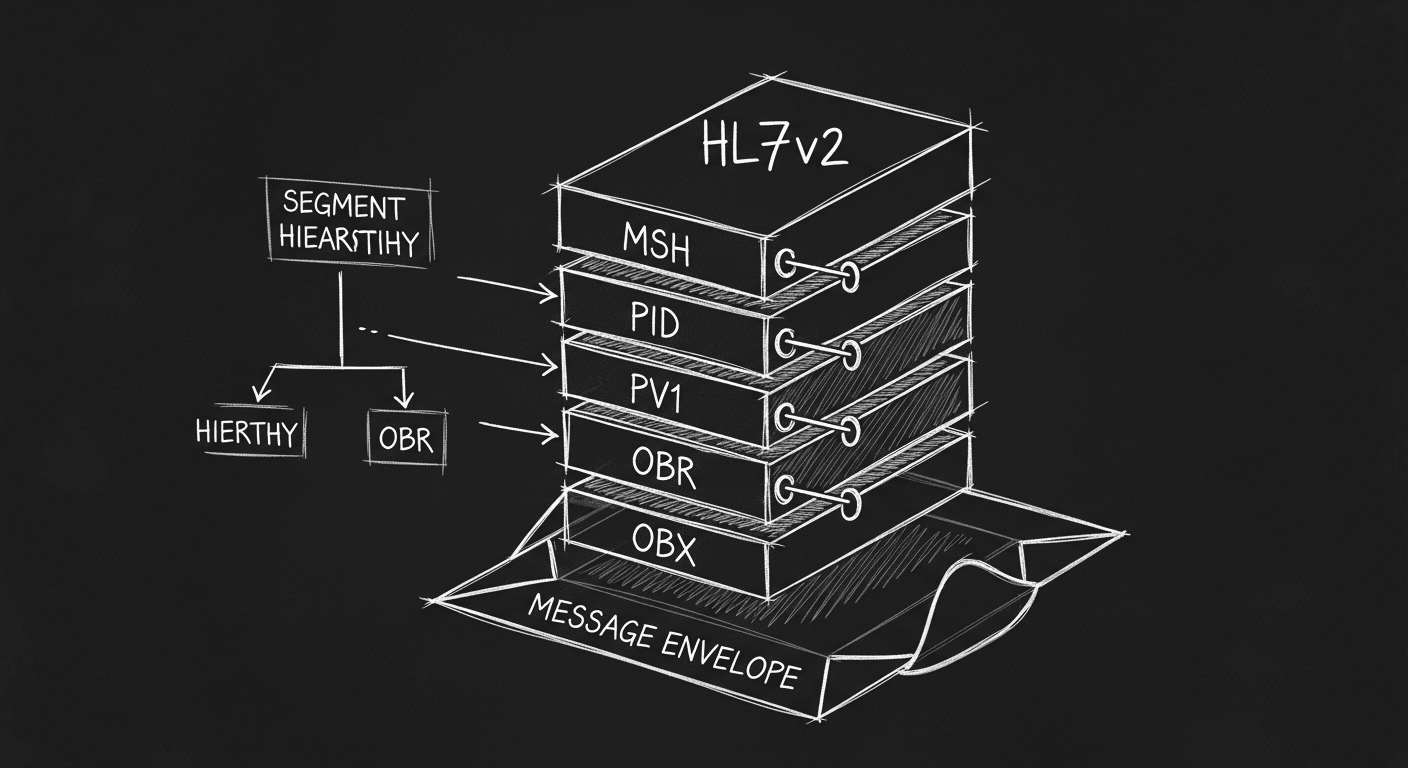
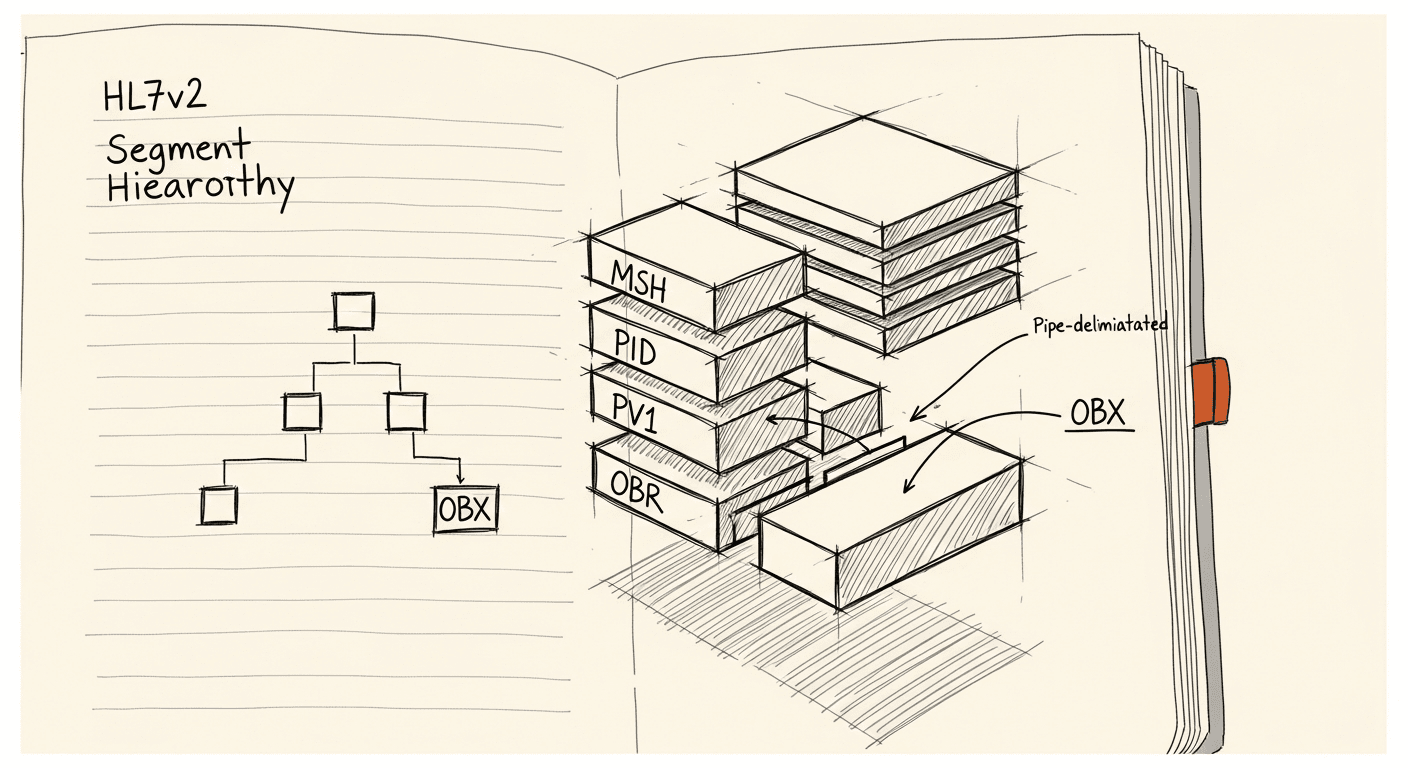
The standard that runs hospitals and confuses everyone
Imagine spending your career building modern applications, using the latest tools and frameworks that fit nicely into your toolbox. Then one day, your boss asks you to connect your software product to a system with patient records 😬.
This is how most of us land in healthcare data, and some of us never escape. Welcome to HL7v2: the workhorse behind healthcare interoperability.
What are Electronic Health Record (EHR) Systems
EHRs transformed healthcare data management by replacing paper records with digital storage and retrieval. Care teams at any point of service can access timely, comprehensive patient information instead of hunting down physical charts.
The connectivity problem is still real, though. A typical health organization runs more than a dozen distinct EHR platforms, and most of them don't share data with each other. Integration efforts happen, but they're frequently limited to systems from the same vendor or systems enrolled in a specific network. For everyone outside those arrangements, HL7v2 is often the first or only data access option — and for many use cases, it's still the most reliable path.
Bruh… HL7v2? Why is that still around?
HL7 (Health Level Seven) Version 2 is a messaging standard for clinical and administrative data exchange between healthcare software systems. The numbers tell the story:
95% of US healthcare organizations are using HL7 v2.x to exchange clinical information More than 35 countries have HL7 V2.x implementations
HL7 "HL7 Version 2 Product Suite"
Newer standards like HL7 v3 and FHIR exist, but HL7v2 persists for concrete reasons. It's been in production since the late 1980s, which means the healthcare market has had 30+ years to build systems around it. Replacing those systems costs money and effort: new interfaces, staff retraining, potential system replacements for anything that can't adapt. Many institutions simply haven't had the budget or appetite for that transition.
There's also the stability argument. Decades of production use means most edge cases and failure modes are well understood. That's a real advantage in healthcare, where surprises in data exchange can have patient safety implications. HL7v2's flexibility — often criticized for creating variability between implementations — has also let individual organizations customize it to their specific workflows without waiting for a standards body.
Related Articles
Healthcare AI Will Be Won by Verticals. The Recipe Has Been Around for a Decade.
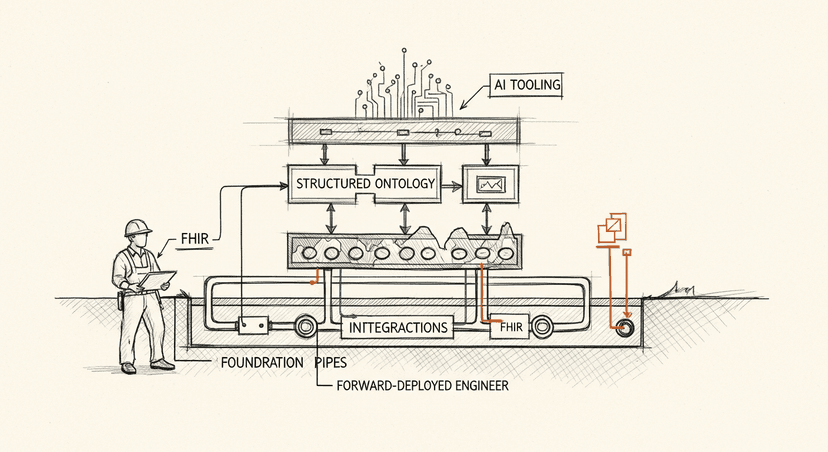
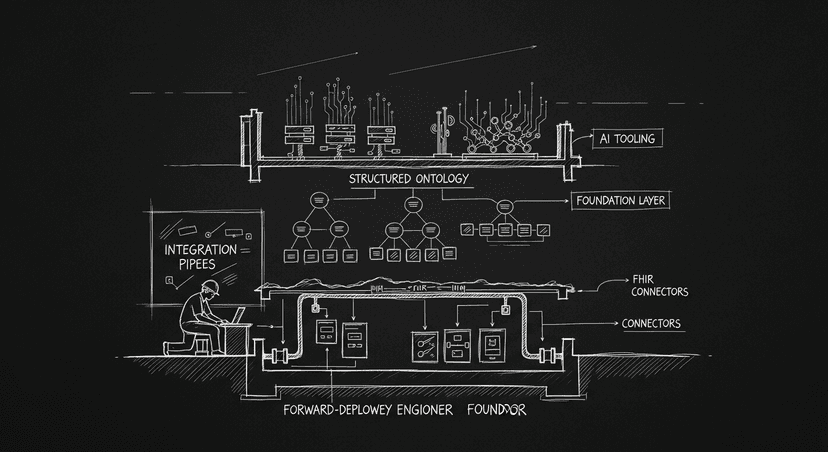
Most healthcare AI companies are failing for the same reason. The ones winning are running the same playbook: one Palantir figured out before anyone called it AI. Forward-deployed engineer. Ontology. Integrations. Then AI tooling.
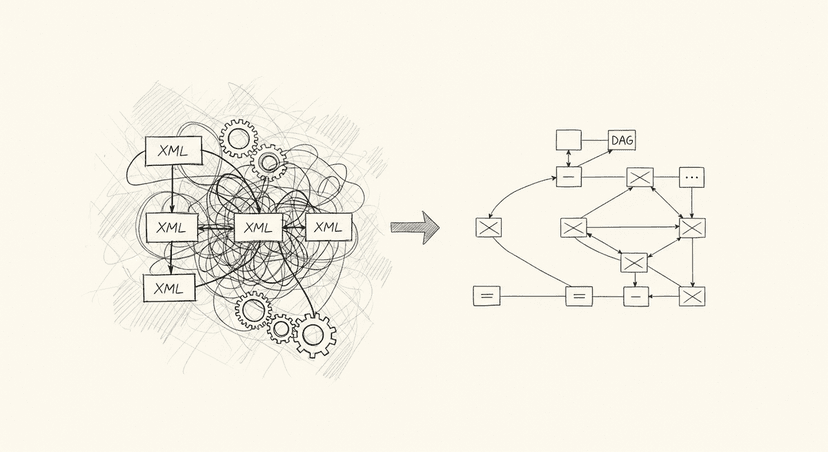
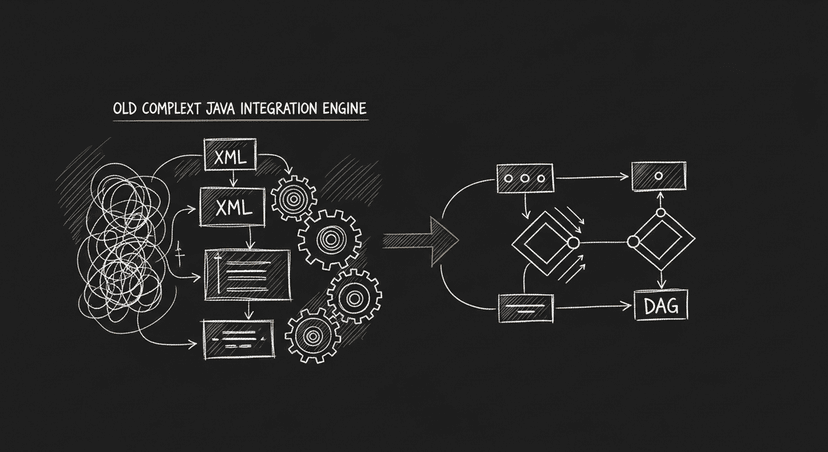
Mirth Connect, what happened? Here's What Comes Next.
Mirth democratized healthcare integration. Then NextGen acquired it, and the world moved on. What the next generation of integration tooling looks like, and why the transition was inevitable.
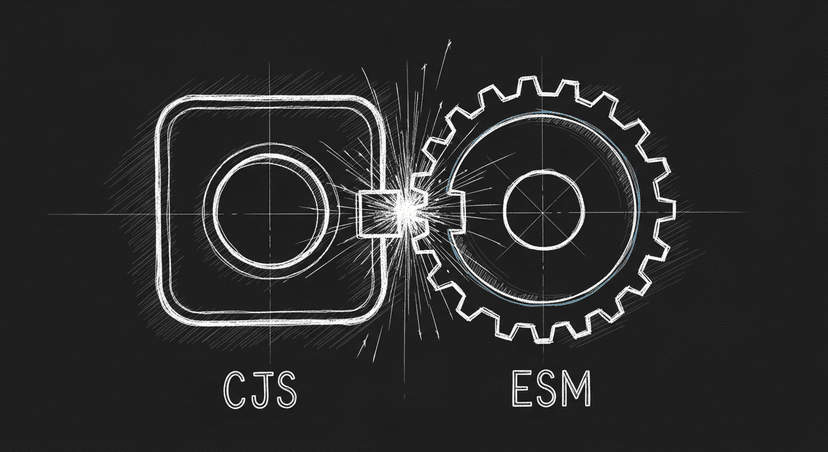
The ESM Mess: JavaScript's Module System Is Still Broken and Here's Why
ES Modules have been the supposed future of JavaScript for nine years. Only 9-27% of the ecosystem has adopted them. What's really going on, and how to survive until the ecosystem commits.
Building something like this?
I help teams ship AI in production — audits, consulting, custom agents, and eval systems. Start with an AI Audit (from $5k) for an honest read on what to build.