Articles
Mostly about building products, healthcare tech, and lessons learned along the way.
Loading articles
Mostly about building products, healthcare tech, and lessons learned along the way.
Older posts from the archive.
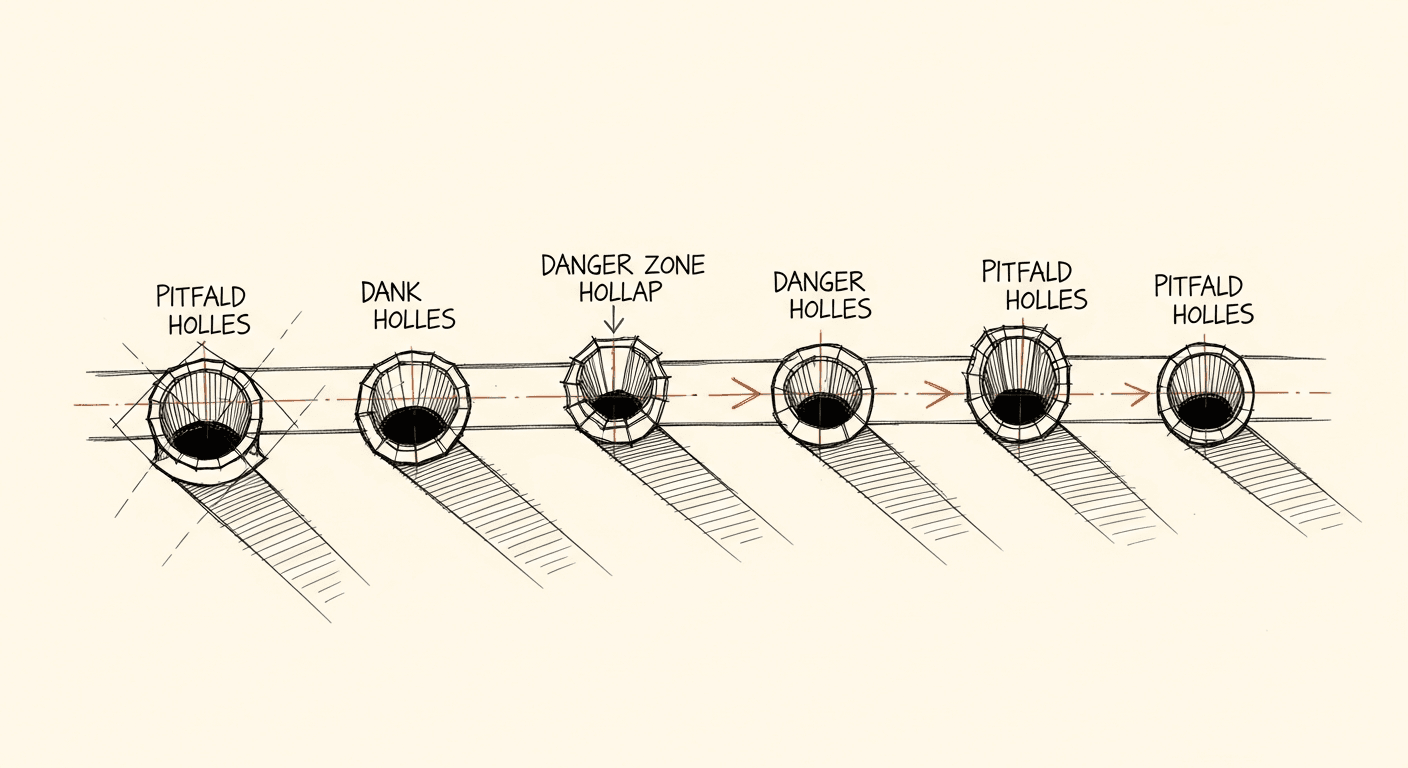
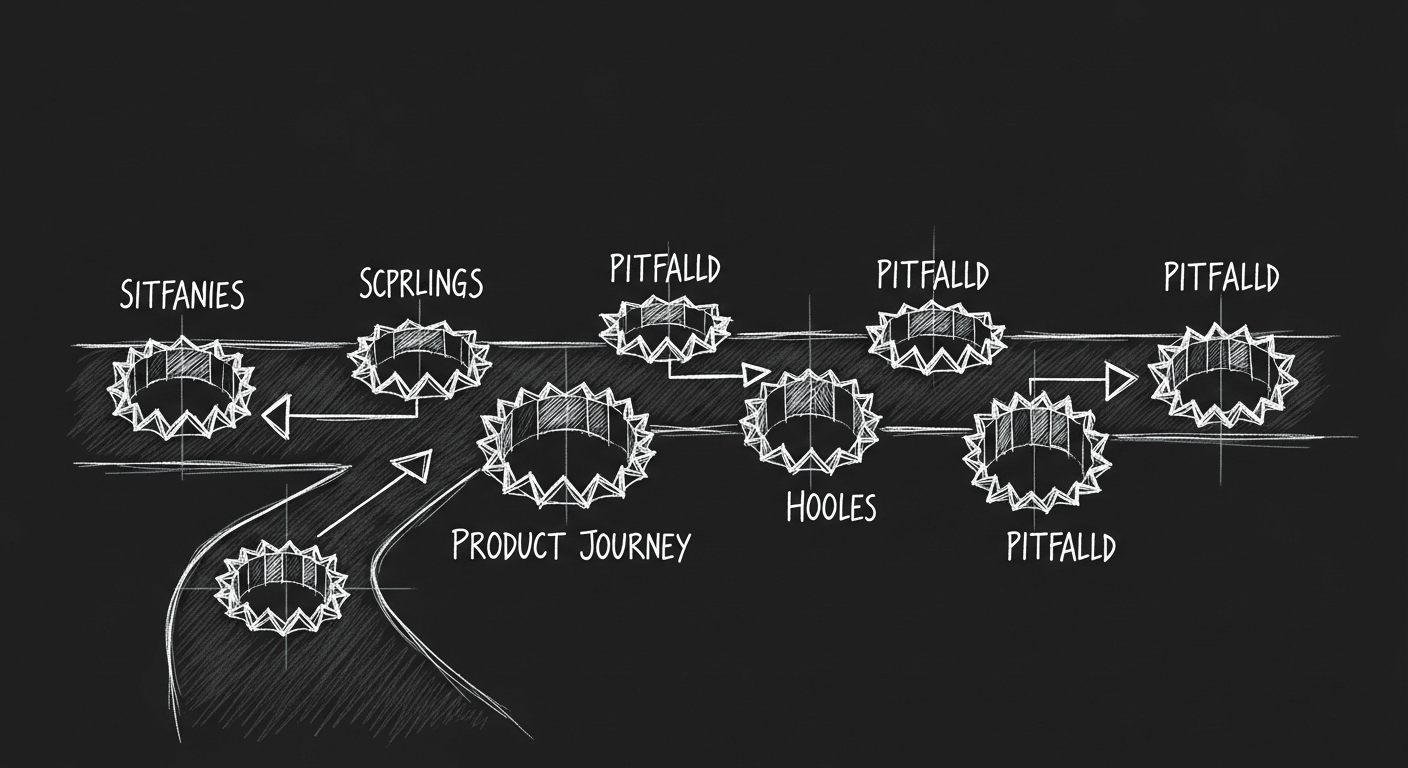
GenAI projects in healthcare go sideways in predictable ways, sometimes with real patient consequences. Six failure modes that come up over and over again, and what to do instead.
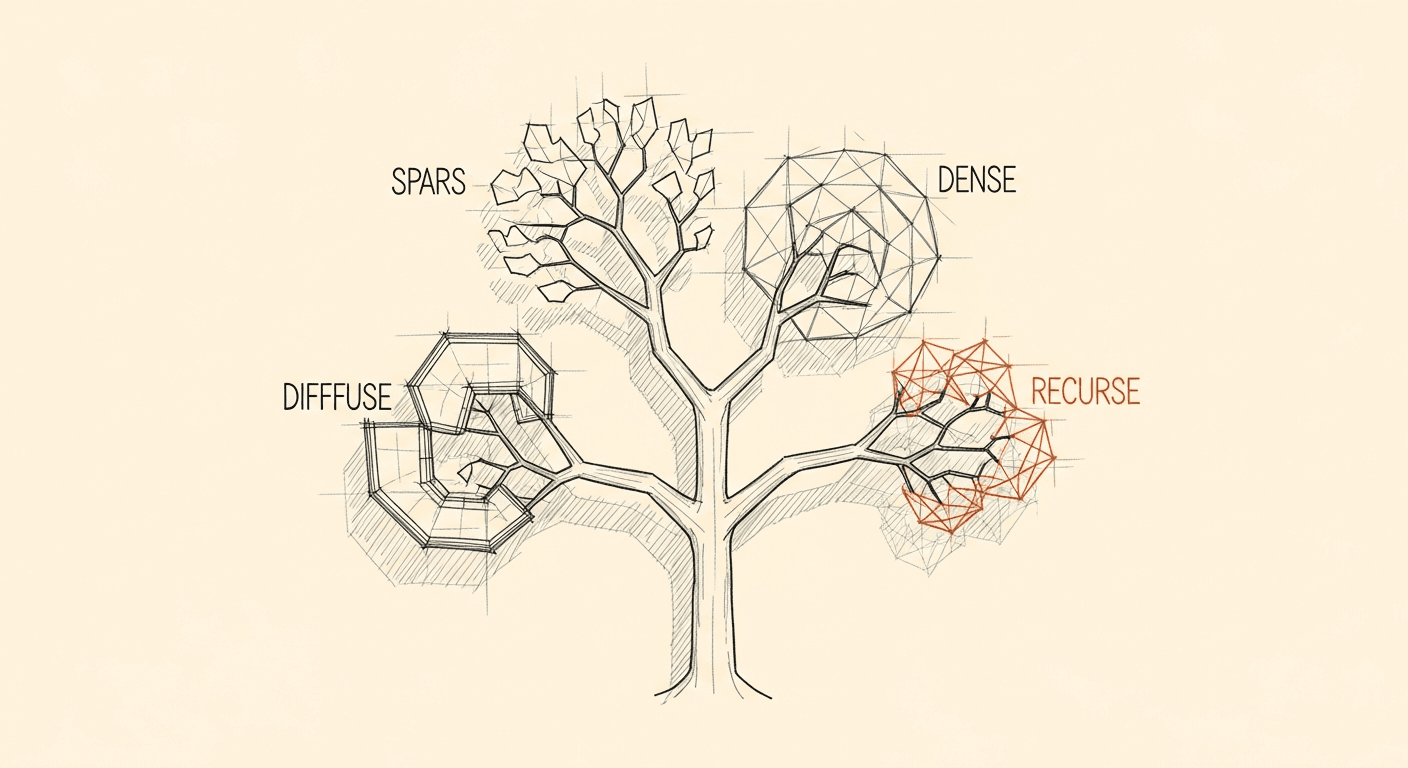
Most teams should use a frontier API and move on. There are specific situations where alternative architectures matter: extreme latency, long-context scale, cost walls, privacy constraints. The decision framework.
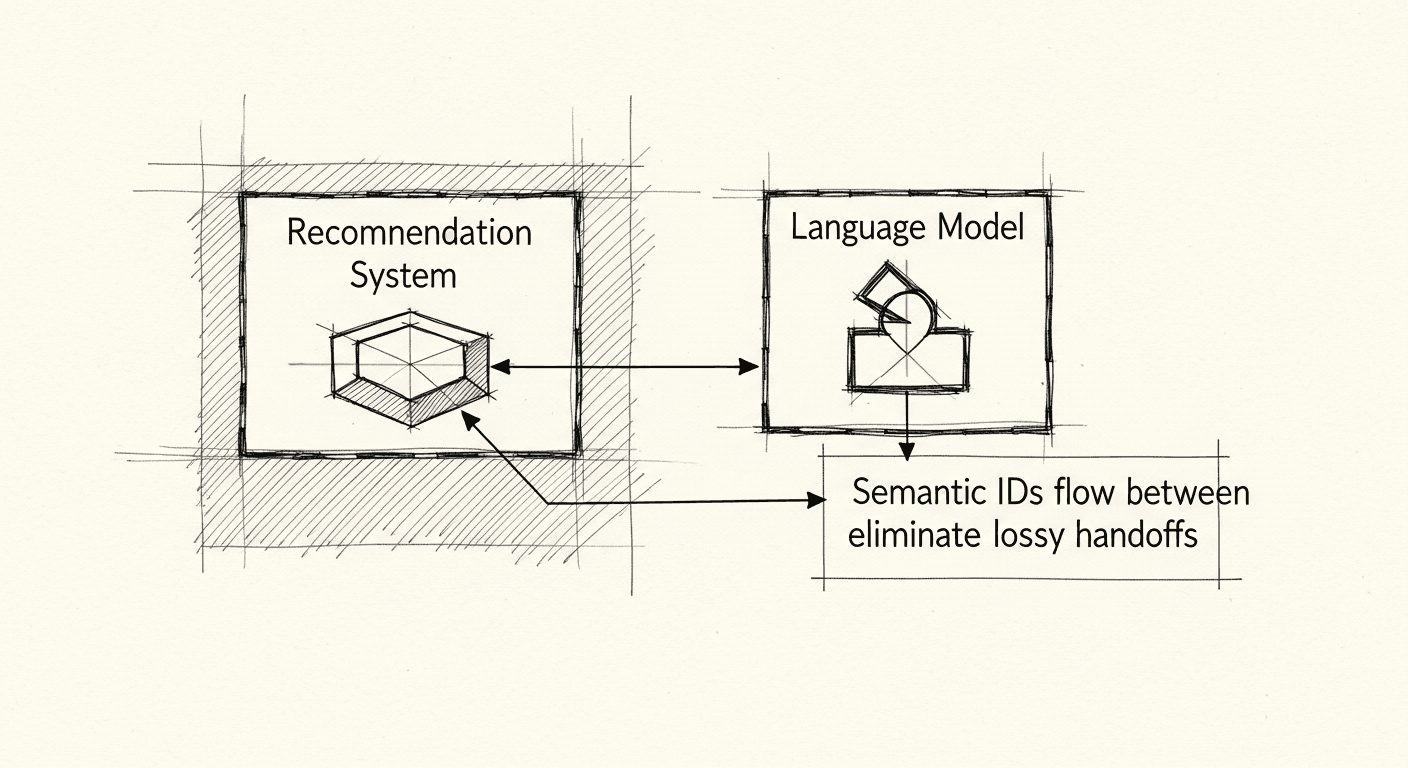
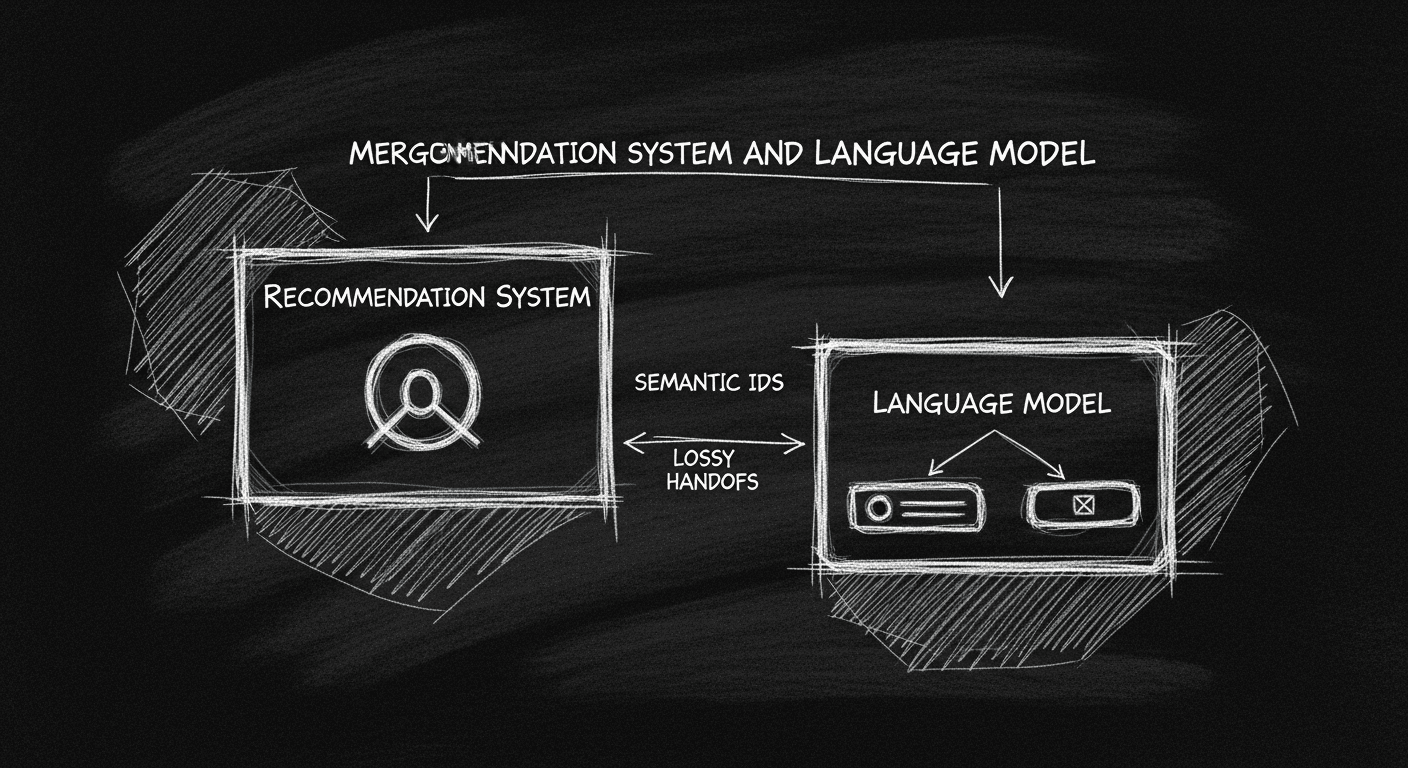
Most AI stacks treat the recommendation engine and the language model as two separate systems that hand off to each other. A new class of hybrid models eliminates that seam. The implications for domain-specific AI are significant.
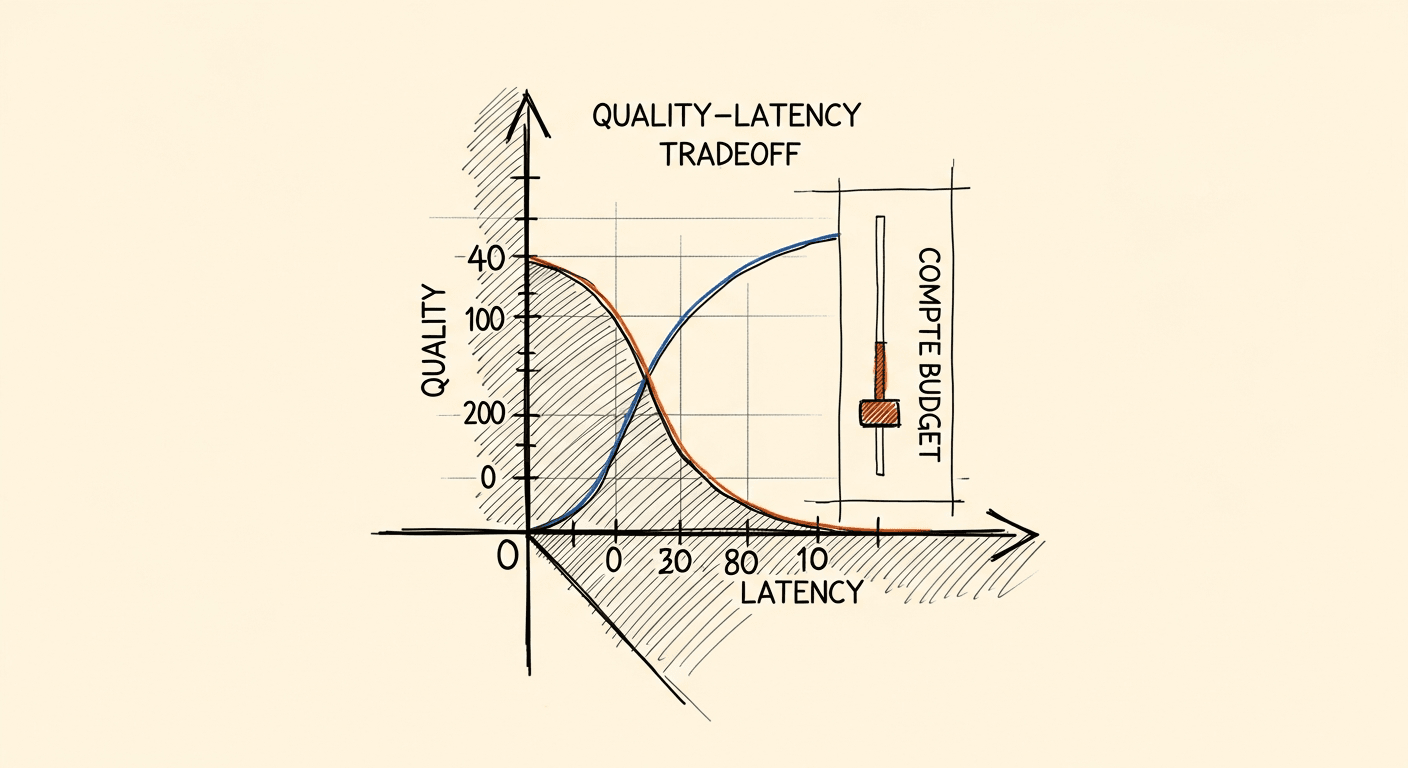
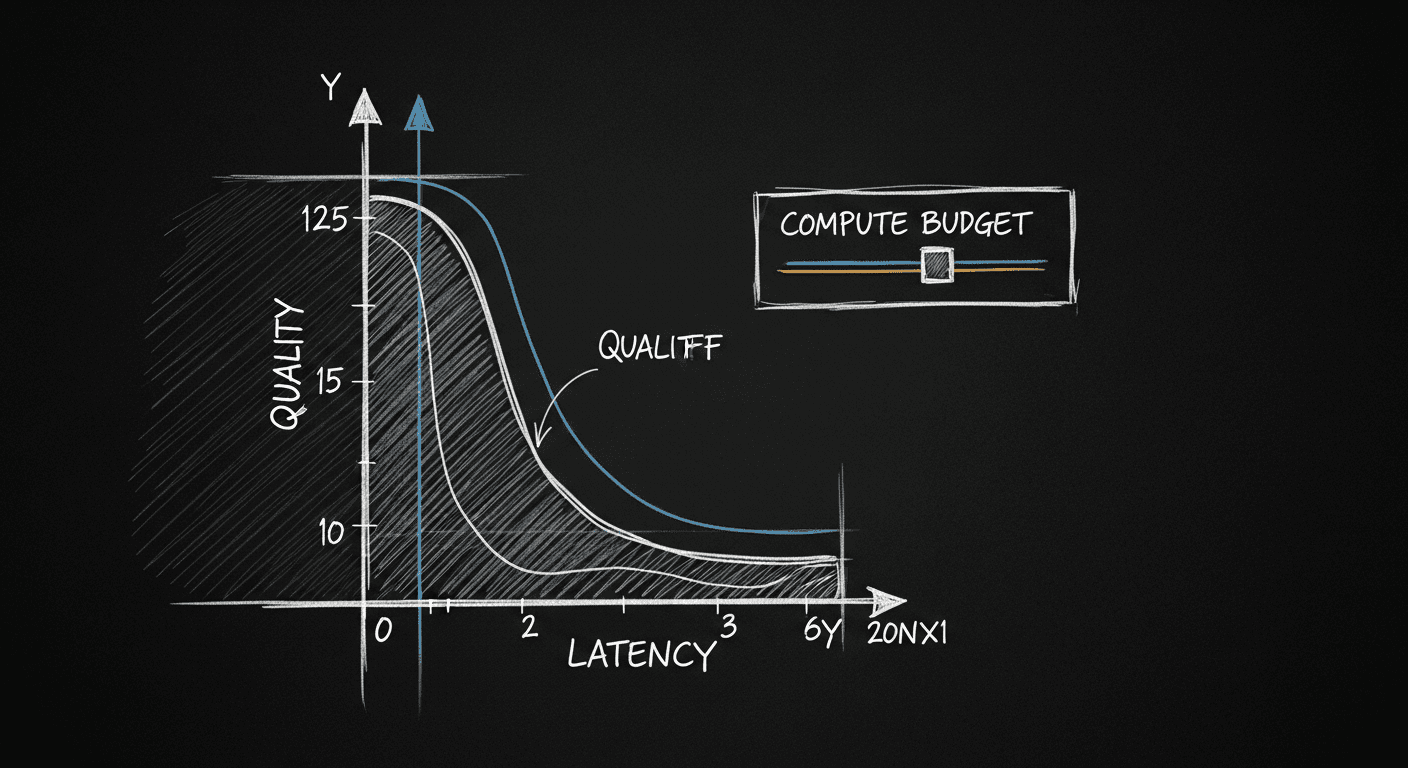
Inference-time scaling lets you tune the latency-quality tradeoff at runtime instead of at training time. When to use Best-of-N sampling, beam search, iterative refinement, or one-shot generation, with real examples from clinical AI.

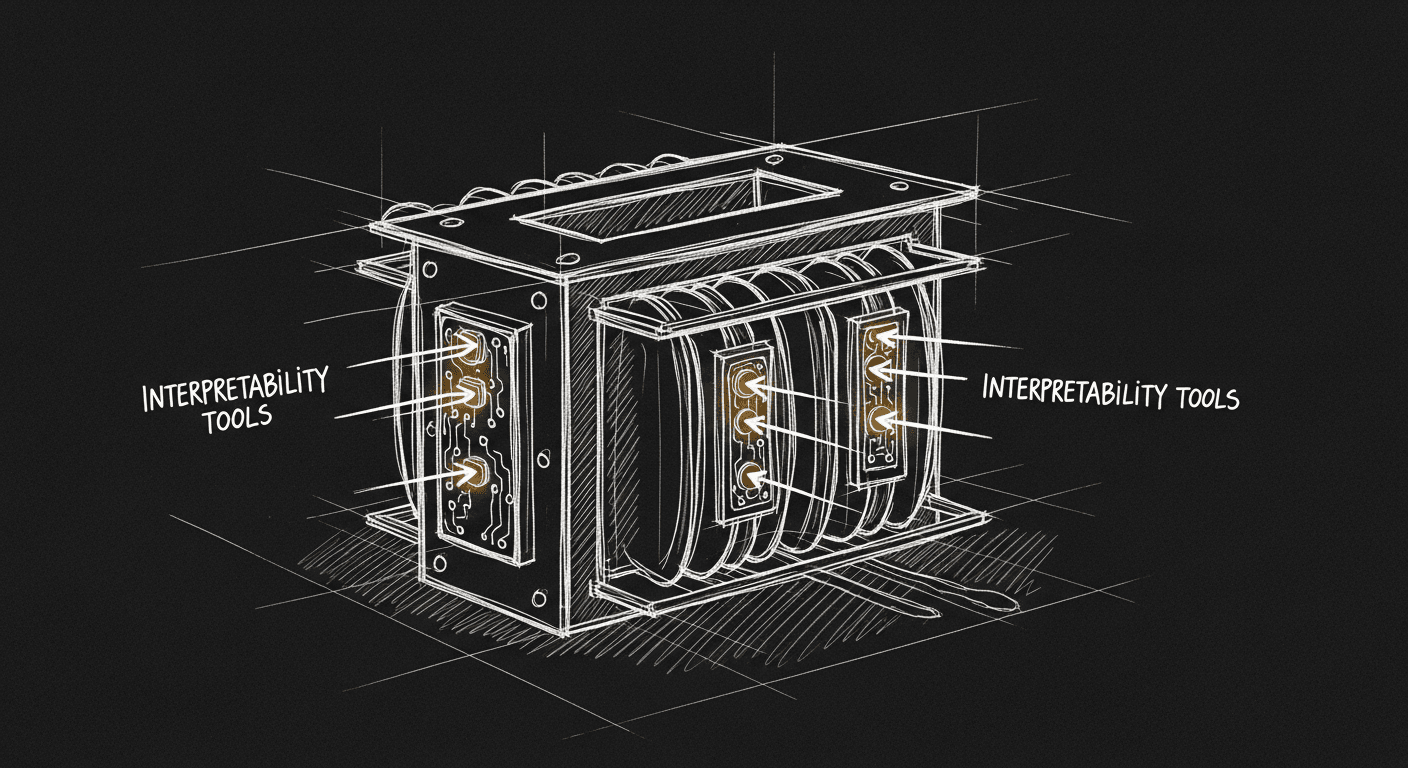
Healthcare AI requires explainability. 'The model said so' is not a clinical rationale. Mechanistic interpretability is the research field trying to change that. What it offers practitioners today, where the gap is, and what to do in the meantime.
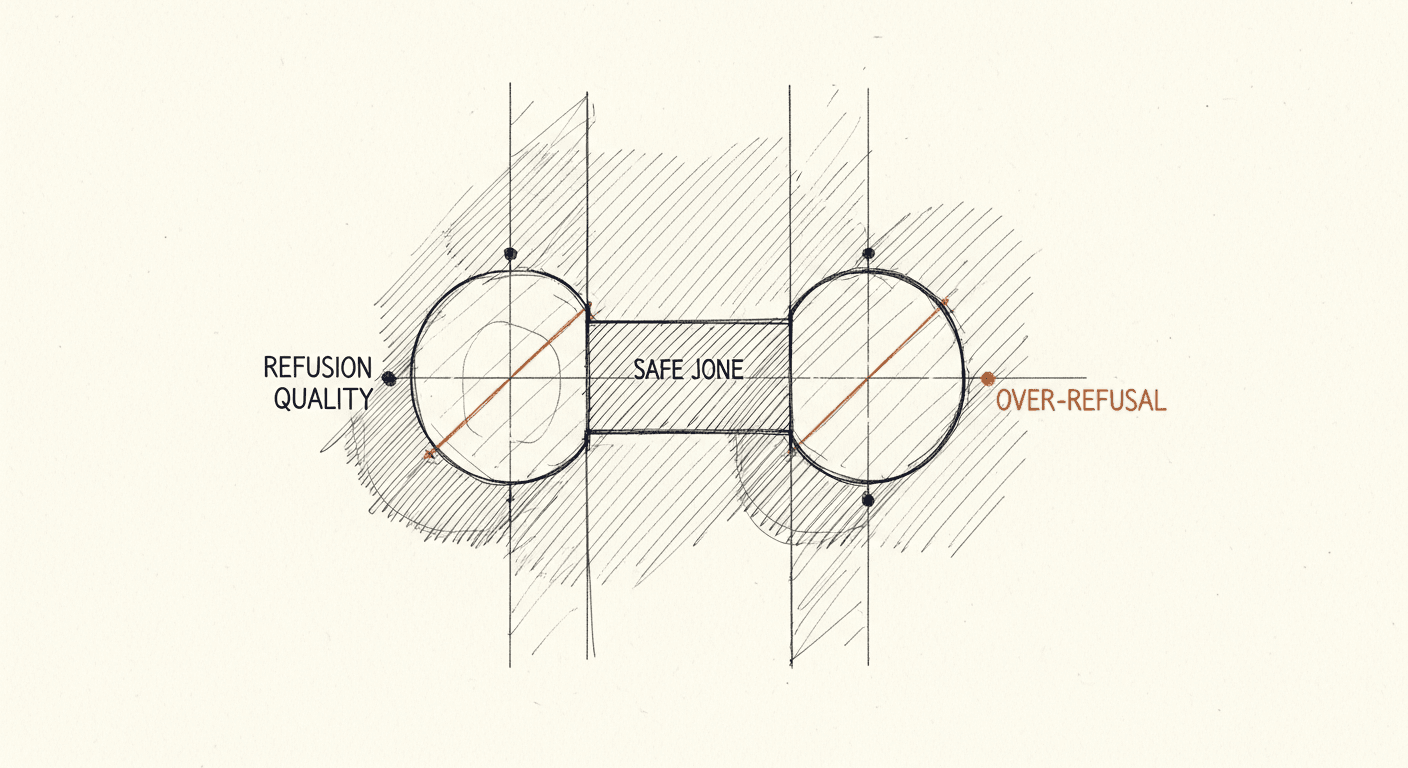
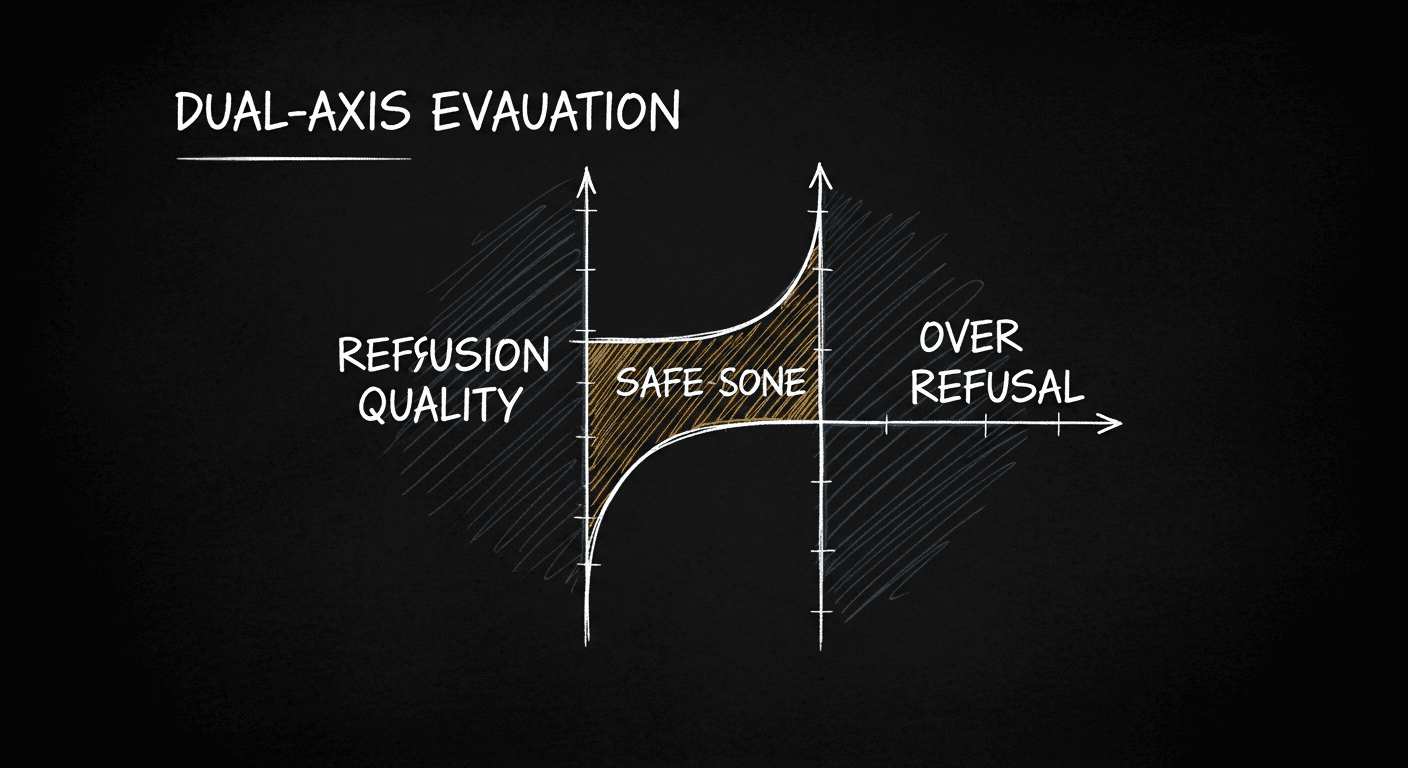
Most teams treat jailbreak testing as a vibe check. StrongREJECT achieves 0.90 Spearman correlation with human judgment. Automated safety evaluation is real, and there's no excuse not to build it into your pipeline.

Prompt injection is the #1 OWASP threat to LLM applications and most teams aren't taking it seriously. What the attack looks like, why it's hard to stop, and how to harden your system.

Most teams skip real evals and wonder why their AI products degrade in production. The framework that holds up: from 30-minute manual reviews to binary scoring to knowing when your eval suite is finally doing its job.
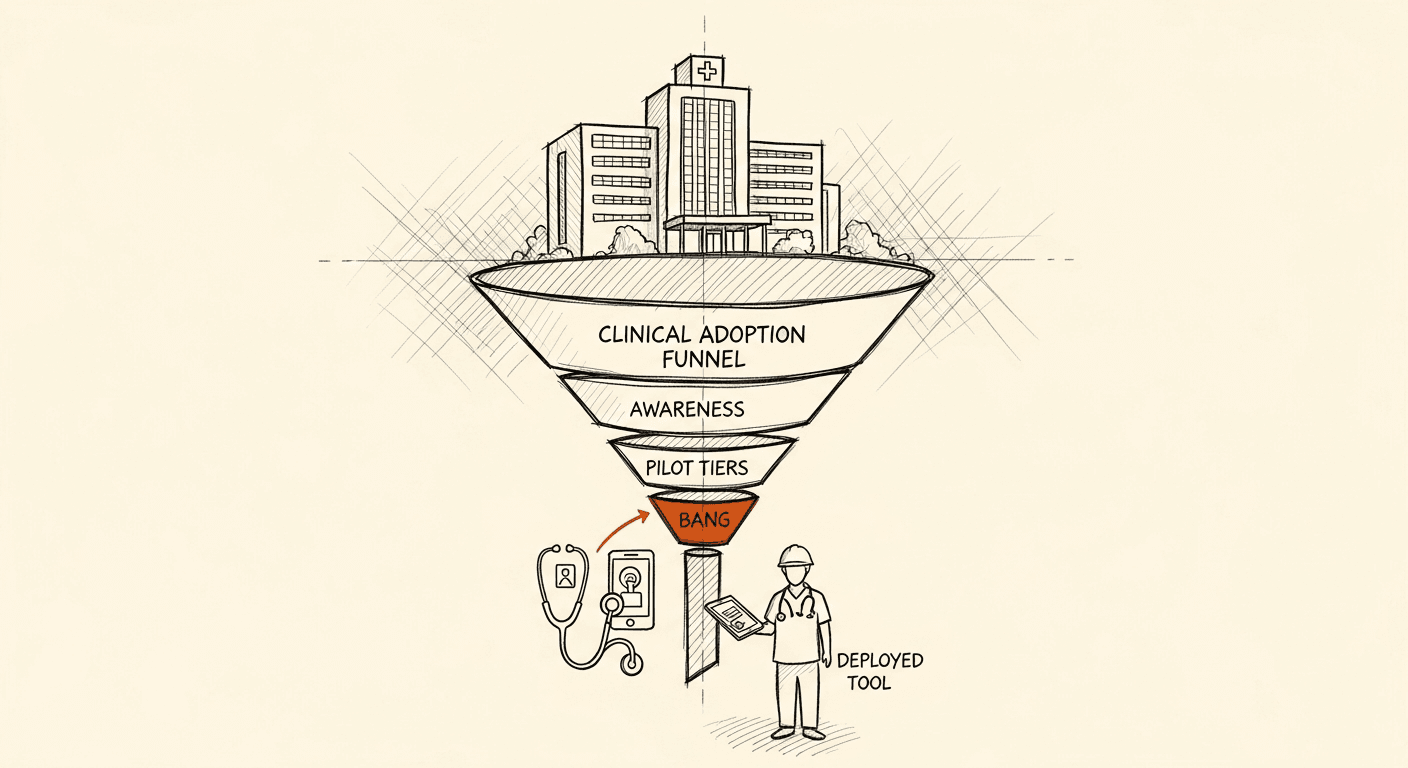
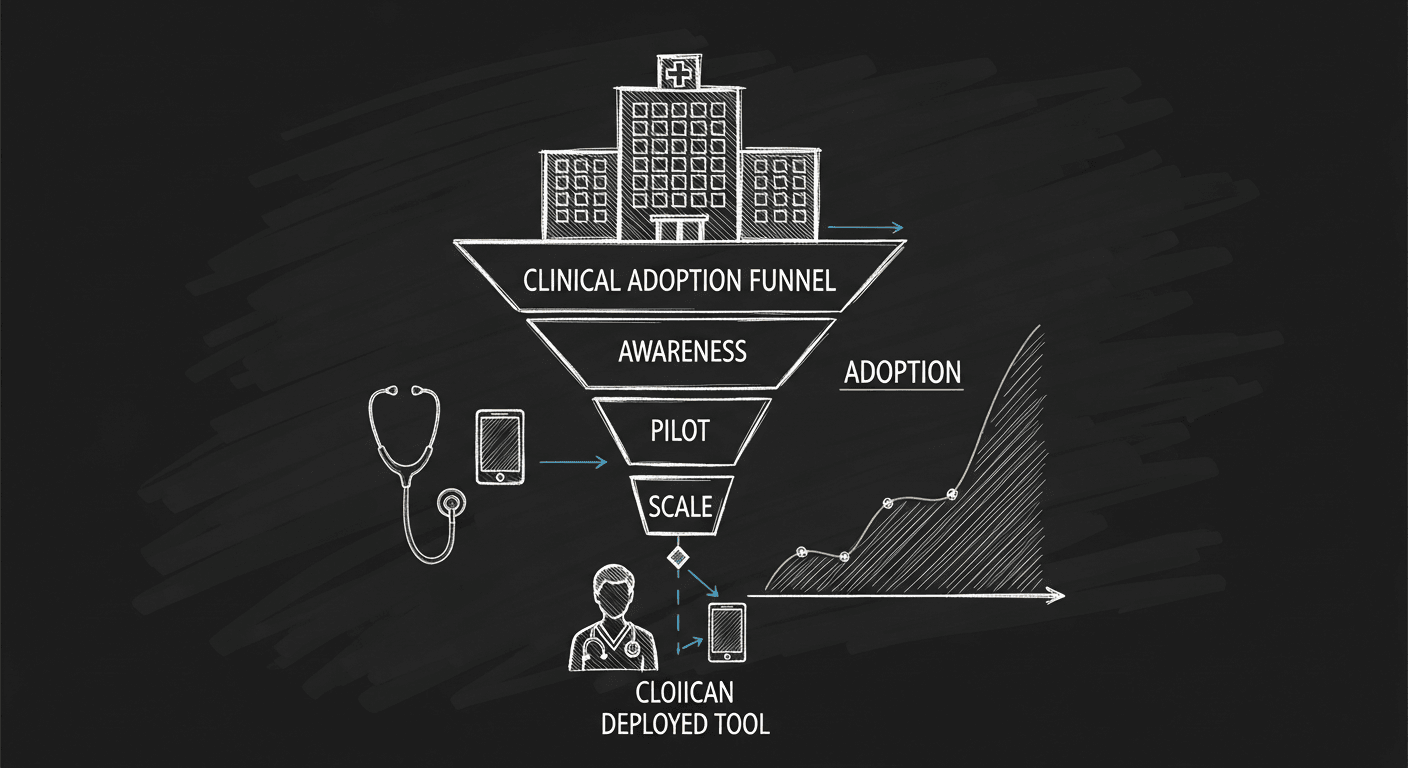
Clinicians love the idea but no one's buying. That gap is a pattern, and it almost never comes down to the technology. Five adoption problems to solve before you build the product.