The LLM Year in Review: What Actually Mattered in 2025 (And What Was Noise)

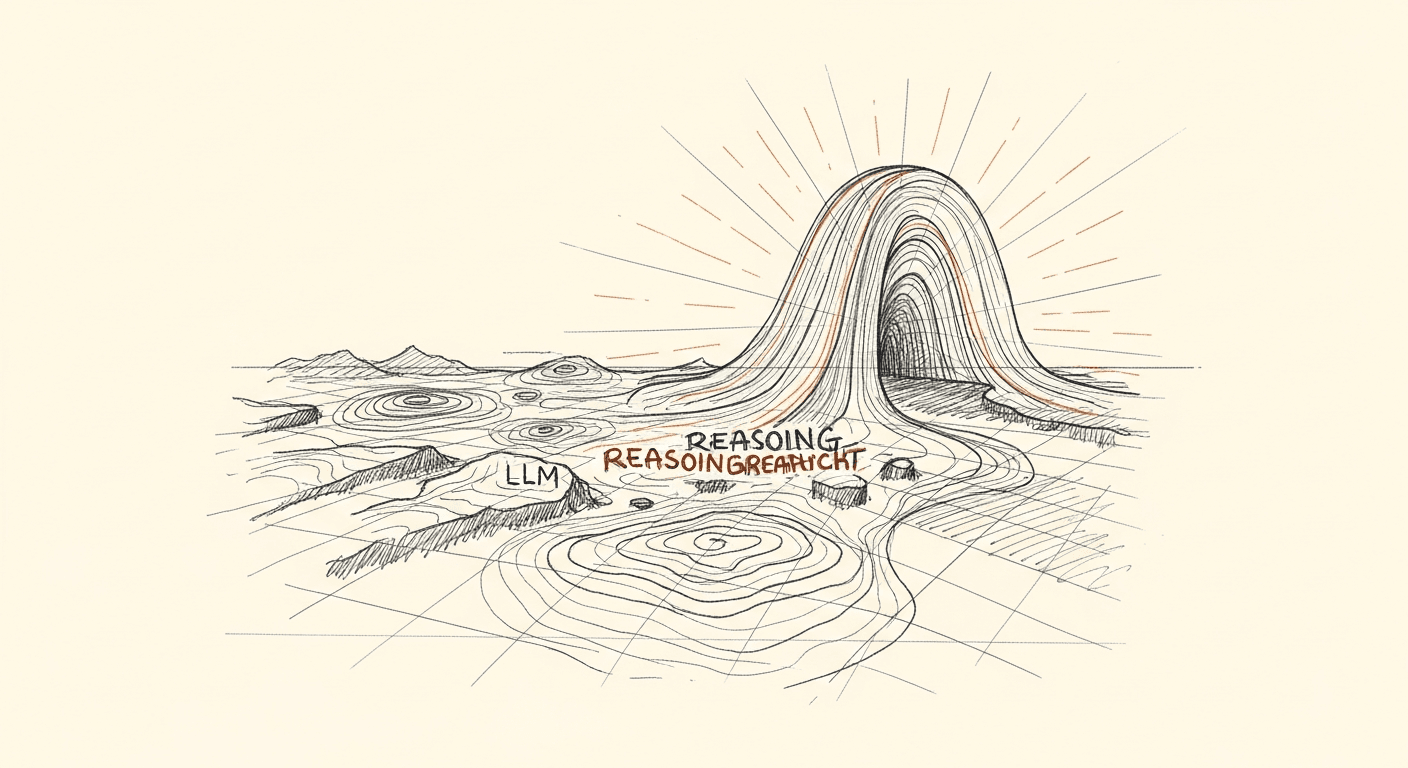
What actually mattered — not the benchmarks, the underlying shift
The most surprising thing about 2025 was not that a Chinese lab beat the frontier. It was that they did it by training a model to reason — and that reasoning, generated through reinforcement learning on its own outputs, turned out to be worth more than adding a few hundred billion parameters.
That reframe matters. The dominant narrative going into 2025 was that scale was the story: whoever could build and train the biggest model on the most data with the most chips would win. That story was not wrong, but it was incomplete in a way that cost a lot of people time, money, and credibility. DeepSeek R1 dropped in January and made the incompleteness impossible to ignore.
I've been building with these models long enough to have some calluses. I don't startle easily. R1 startled me.
What We Predicted
The going-in assumptions at the start of 2025 were reasonable given what the evidence supported. More parameters meant better models — consistently, across domains, across tasks. The scaling laws from OpenAI's early work held up well enough that compute and data volume were the obvious levers to pull. The frontier was defined by the labs that could afford the largest runs.
Post-training mattered — RLHF and RLAIF had clearly improved model behavior past what raw pretraining produced — but the working assumption was that it was table stakes, not differentiator. You did the post-training work to make the model usable. The capability ceiling was still set by the pretraining run.
RAG was widely considered the answer to long-context and knowledge freshness problems. The playbook was: train a large base model, RLHF it into alignment, build retrieval infrastructure around it, and ship. That was the architecture you defended to stakeholders in early 2025.
The corollary: if your model wasn't performing well enough, the answer was a bigger model. That was the instinct embedded in most product teams I talked to. I had it too.
What Actually Happened
DeepSeek R1 changed the question from "how do we get more compute into training" to "how do we get more compute into inference."
The technique at the core of R1 was not novel in isolation — reinforcement learning for reasoning had been explored before. But R1 applied it at scale and in a way that produced something practically different: a model that, when asked a hard question, would generate an extended chain of reasoning, correct itself mid-thought, backtrack, and arrive at answers that beat models with significantly more parameters. It did this because it had been trained, through RL, to reward itself for producing correct final answers. The reasoning tokens were the mechanism it learned to use to get there.
Related Articles
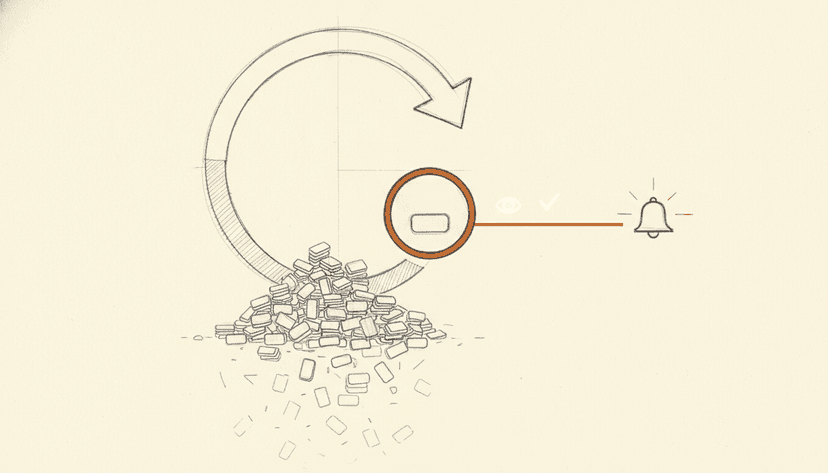

Your Support Team Is Claude Code on a Timer
An L2 support engineer that's just Claude Code on a /loop, with all its state living in Slack reactions. No app, no database, no deploy — and it only pings you when it's real.
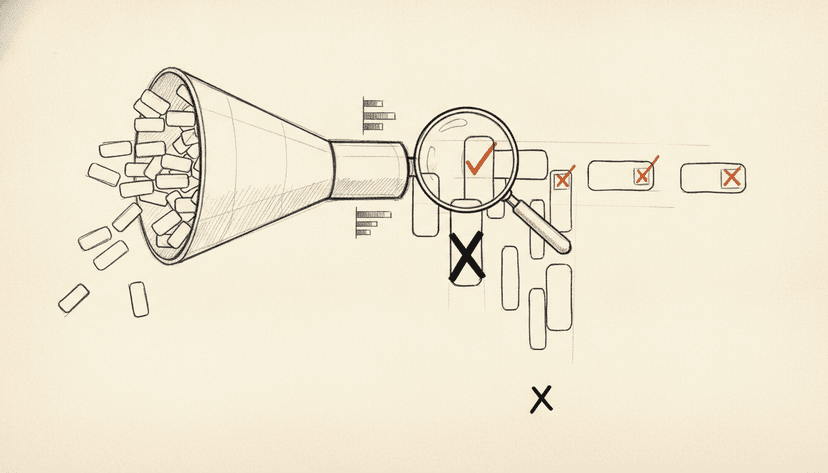
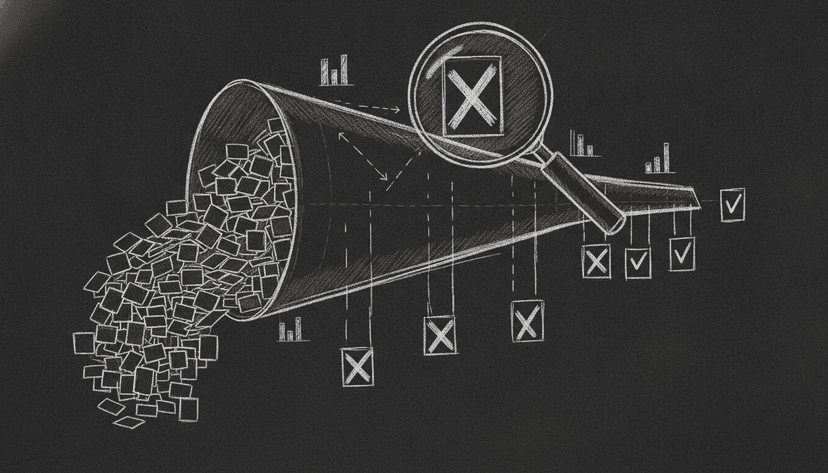
What an AI Audit Actually Finds
Most teams asking for AI don't have a model problem. They have a "which problem is even worth it" problem. Here's what a real AI audit surfaces — and why "don't build this" is often the most valuable line in the report.
Inside a Production Voice Agent: How the Stack Actually Ships
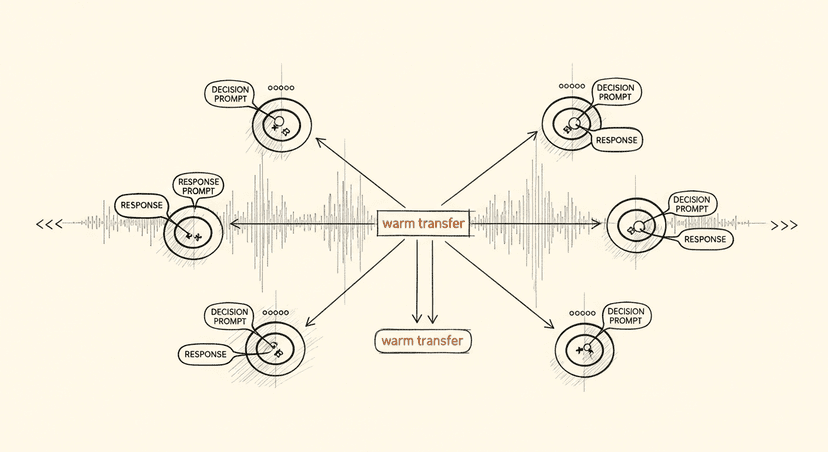
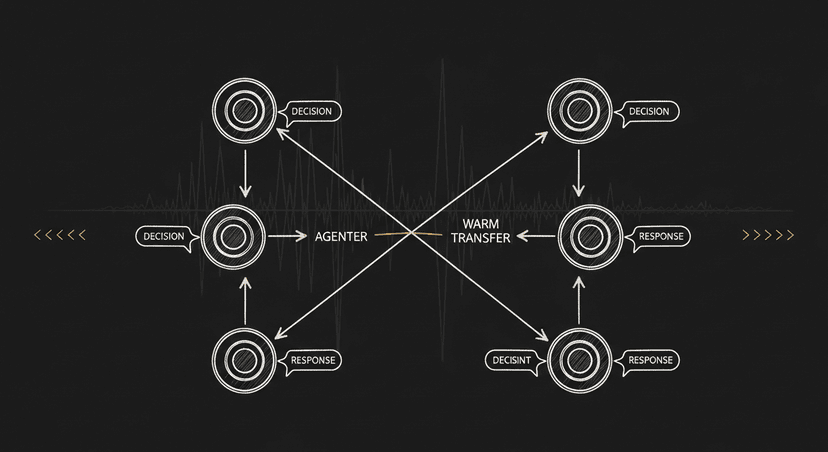
Production voice-AI has converged on a pattern: graph-based conversations, separated decision and response prompts, synthetic-call regression testing, and per-component latency budgets. Why the stack looks the way it does — and what most teams are still missing.
Building something like this?
I help teams ship AI in production — audits, consulting, custom agents, and eval systems. Start with an AI Audit (from $5k) for an honest read on what to build.