When English Became a Programming Language
The gap between English and machine is closing faster than anyone expected
Last month I described a dashboard feature to Claude Code in plain English. Described the layout, the filters, the data shape I wanted. Twelve minutes later I had working React and a Postgres query. Not a prototype. Production-ready code.
I've been building full-stack apps for twelve years. That moment should have felt like winning. Instead, it felt like the ground shifting.
The v0 Thesis Is Real
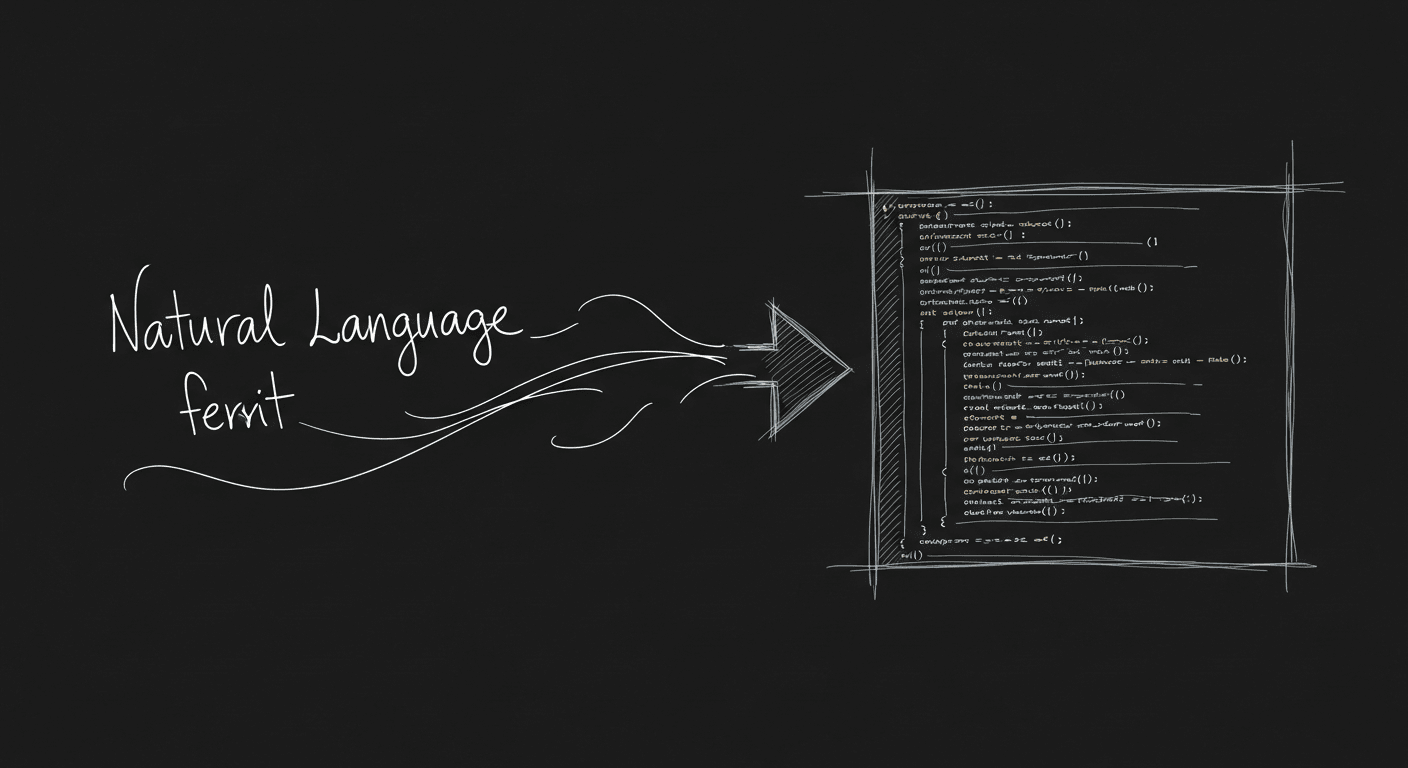
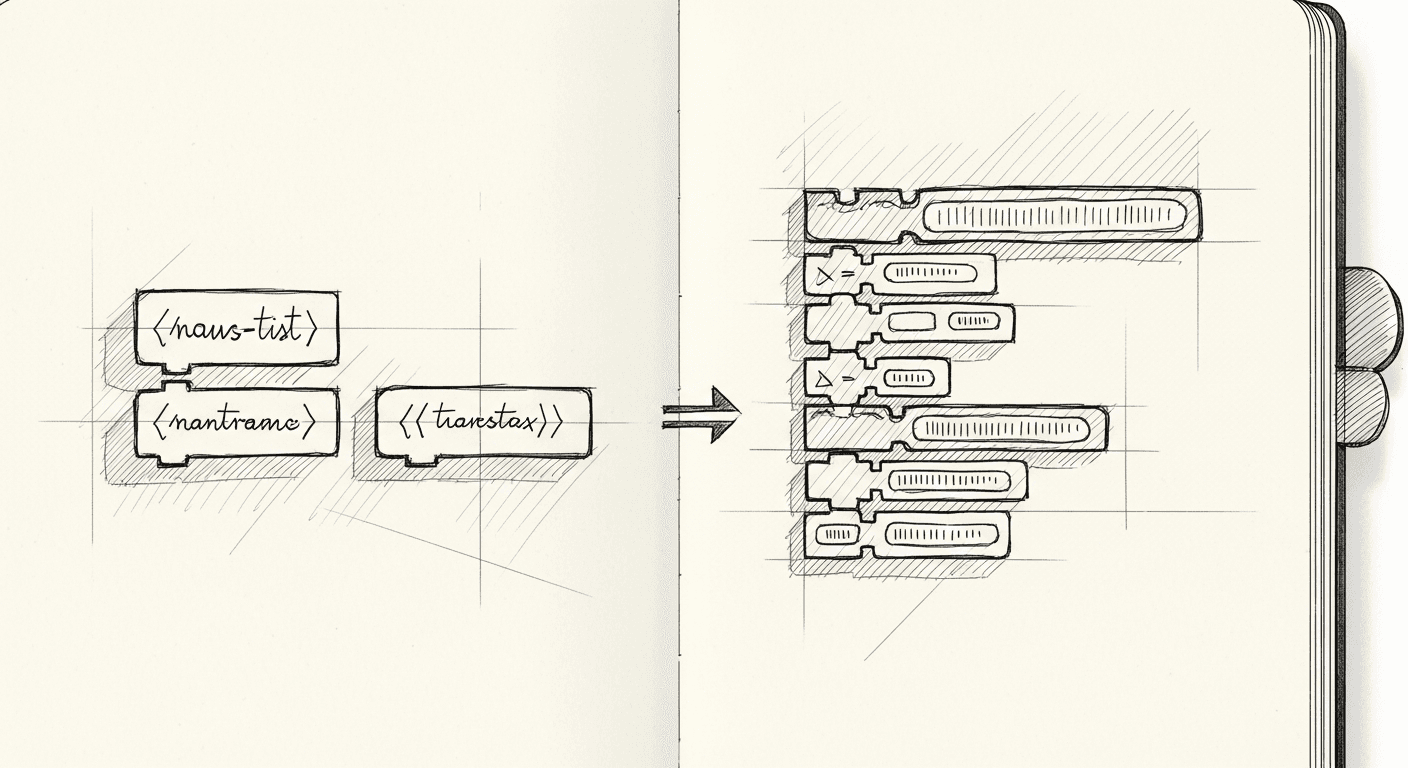
The thesis behind v0 is worth sitting with: English plus AI can replace traditional web development for 95% of applications. React and Tailwind become the assembly language. Description becomes the source code. The workflow is prompt, iterate, ship — no traditional coding required for most use cases.
My first instinct was to discount this. I've heard "coding is dead" since Stack Overflow launched. But I've now used v0, Cursor, and Claude Code extensively enough that I can't dismiss it. The thesis is directionally correct and it's moving faster than I expected.
Here's what that looks like in practice. I can describe a multi-step form with validation, dark mode support, and mobile-first layout in three sentences and get working, opinionated code back in seconds. I can say "add a skeleton loading state" and it happens. I can say "the spacing feels tight on mobile" and it adjusts. The iteration loop that used to take me 20 minutes now takes 90 seconds.
For the vast majority of UI work — dashboards, admin panels, marketing pages, CRUD interfaces, internal tools — this is not a marginal improvement. It's a categorical shift.
What Scared Me and What Doesn't
I'll be honest about where this lands emotionally. There's a version of this story where the skill I spent a decade building — the ability to architect clean React components, reason about state, design systems that scale — gets commoditized out from under me. Some of that is simply true.
The parts of my job that felt like craftsmanship two years ago? v0 can do most of them faster.
But here's what I've noticed when I push these tools into genuinely hard territory: they fall apart in specific, predictable ways.
Stateful complexity. Building a UI that displays data is easy. Building one that correctly manages optimistic updates, handles race conditions between three async operations, and gracefully degrades when an upstream service is slow — that's where AI-generated code becomes a starting point, not a finished product. The generated code is often superficially correct and subtly broken.
Related Articles

Your Support Team Is Claude Code on a Timer
An L2 support engineer that's just Claude Code on a /loop, with all its state living in Slack reactions. No app, no database, no deploy — and it only pings you when it's real.

What an AI Audit Actually Finds
Most teams asking for AI don't have a model problem. They have a "which problem is even worth it" problem. Here's what a real AI audit surfaces — and why "don't build this" is often the most valuable line in the report.
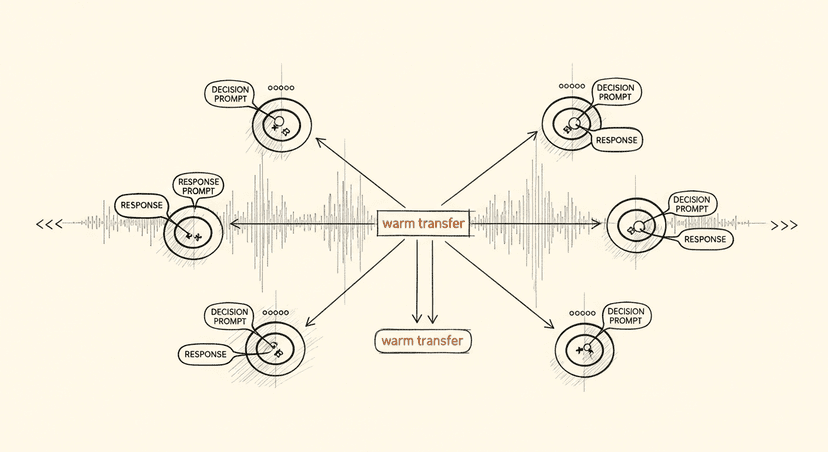
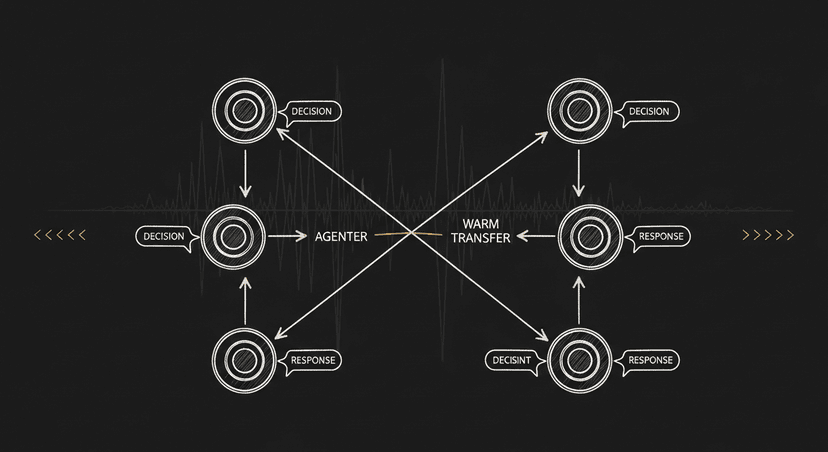
Inside a Production Voice Agent: How the Stack Actually Ships
Production voice-AI has converged on a pattern: graph-based conversations, separated decision and response prompts, synthetic-call regression testing, and per-component latency budgets. Why the stack looks the way it does — and what most teams are still missing.
Building something like this?
I help teams ship AI in production — audits, consulting, custom agents, and eval systems. Start with an AI Audit (from $5k) for an honest read on what to build.